Article Content
Common Business Mistakes When Importing Tea and How to Avoid
In process Import tea enter the Vietnamese market, Many businesses have encountered unnecessary difficulties due to basic mistakes in the process of carrying out procedures and transporting goods.. Understanding and avoiding these mistakes will help businesses save time, costs and ensure the import process goes more smoothly. Below are common mistakes and how to fix them.
Mistake 1: Do not check import conditions & HS code
This is one of the most common mistakes that businesses often make Import tea. Failure to look up the correct HS code (International commodity classification system) may lead to incorrect tax imposition, fees and difficulties in the customs clearance process. Besides, Many businesses also ignore checking regulations related to quality control, Food safety (Food safety) according to the decrees, Circulars of the Ministry of Health and Ministry of Industry and Trade, such as Decree 15/2018/ND-CP or Circular 50/2016/TT-BYT.
How to avoid:
- Carefully look up the HS code that matches the type of tea imported from the beginning.
- Ask for specialized opinions or reputable forwarders to confirm the correct HS code, Avoid confusion that affects import procedures.
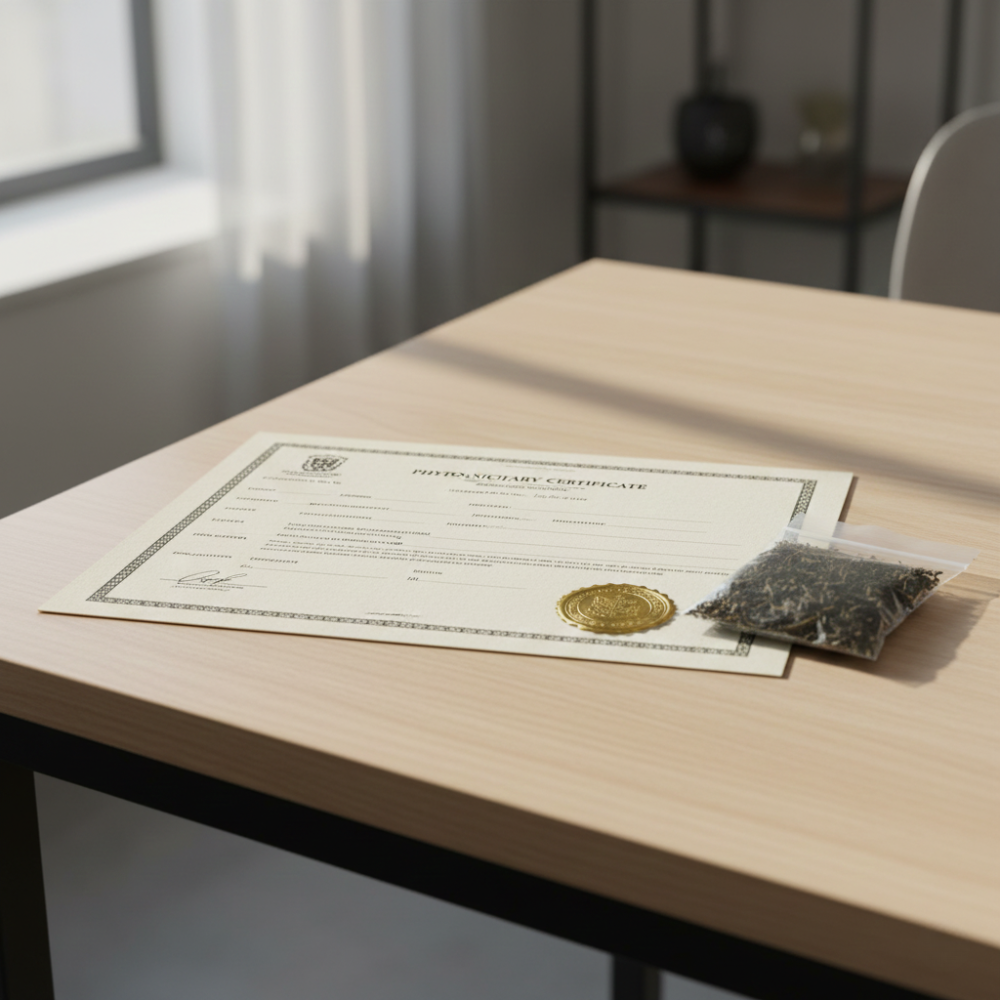
Mistake 2: Not fully preparing food safety inspection documents before customs clearance
Many businesses forget or ignore preparing necessary documents such as product announcements, COA test results, Additional labels comply with regulations before the goods arrive at the port. This leads to the goods being retained, slow customs clearance, warehousing costs arise, fine or request additional records.
How to avoid:
- Prepare complete documents as prescribed in Decree 15/2018/ND-CP.
- Consult post-inspection units or forwarders to ensure documents are valid, properly before the goods arrive.
Mistake 3: Product labels do not comply with regulations
Labels that do not comply with standards are one of the reasons why goods are required to be corrected or fined at the port. The label lacks mandatory information such as the product name, ingredient, origin, storage instructions, causing delays in the customs clearance process and incurring costs.
How to avoid:
- Check labels according to regulations in Decree 43/2017/ND-CP.
- Work closely with suppliers to edit labels from scratch, Avoid unnecessary errors when goods are put into warehouse.
Besides, There are some other mistakes such as not checking the supplier's quality standards, Choose an inappropriate shipping method, or working unclearly with shipping partners. However, The above mistakes are the most important factors to keep in mind to ensure the tea import process goes smoothly.
Clearly defining regulations, Prepare complete documents and choose a reputable shipping partner such as Logistics power will help businesses minimize unwanted risks and costs. Understanding and proactively avoiding these common mistakes is the key to business success in its journey import tea professionally and effectively.
How to avoid mistakes in importing tea
In the process of importing tea, Understanding the regulations and careful preparation is the deciding factor for success and avoiding unnecessary risks.. Below are specific measures to help businesses minimize common mistakes when importing tea, At the same time, ensure the process goes smoothly, Save time and cost.
Look up the HS code and ask for professional advice or a reputable forwarder
One of the common mistakes when importing tea is not looking up the correct HS code (Harmonized System) Fit. This leads to incorrect application of tax rates, causing problems during customs clearance or being required to amend the declaration. To avoid this, businesses need:
- Look up the exact HS code based on the characteristics of the tea product, You can use online HS code lookup tools or ask for advice from industry experts or reputable forwarders.
- Consult with industry experts or logistics service providers with experience in the field of tea import to ensure the correct HS code, in accordance with the latest regulations of the law.
Prepare complete documents according to regulations, Ask a post-test expert
Carefully prepared documents are a key factor to help businesses avoid unnecessary problems during the customs clearance process. Necessary documents include::
- Product announcement or self-declaration according to current regulations.
- COA (Certificate of origin), Test results from the lab meet standards.
- Secondary labels comply with regulations, Show all required information such as ingredients, origin, storage instructions.
The way to ensure complete and valid records is what businesses should do:
- Prepare all documents as prescribed in Decree 15/2018/ND-CP.
- Thanks to reputable post-inspection units or forwarders, Rich experience in the field of document inspection and consulting, Helps businesses prepare and complete documents accurately.
Check and edit product labels according to regulations before exporting
Incorrect labeling of goods is a common reason why goods are required to be corrected or detained at the port. Common errors include missing required information such as product name, ingredient, origin, Storage instructions... This wastes time and incurs unexpected costs.
To avoid this, businesses need:
- Carry out careful inspection of product labels according to Decree 43/2017/ND-CP before exporting.
- Work closely with suppliers to tailor labels from scratch, Ensure there is no shortage of mandatory information as prescribed by Vietnamese law.
Proper preparation and thorough inspection not only helps avoid being asked to add labels later, but also saves time and costs during the import process..
The above measures are all aimed at helping businesses limit risks, Avoid incurring unnecessary costs and ensure the tea import process goes smoothly. Besides, Businesses can consider cooperating with professional logistics units such as Logistics power, to receive full support from document checking, Customs clearance for transportation, thereby optimizing the entire import process.

Choose the right shipping method and work clearly with the supplier
In the process of importing tea, Choosing the right shipping method and establishing a clear relationship with your supplier are key to ensuring the process runs smoothly., Minimize risks and optimize costs. This is an important step to help businesses avoid unwanted incidents such as damaged goods, delays or unexpected costs. Special, When cooperating with partners such as Logistics power, Businesses will receive professional support in every step of the shipping process.
Choose the appropriate shipping method for each type of tea
Choosing the appropriate transportation method depends on the characteristics of each type of tea, cargo volume, and delivery time requirements. Can be divided into main methods such as sea transport, by air or a combination of both.
- Sea route: Suitable for large orders, need to save costs, Shipping time is long but suitable for teas that do not require urgent delivery, like pre-packaged tea in bulk.
- Airline: Suitable for small orders, request fast delivery, like premium tea, Herbal tea needs to be consumed urgently or has high value. However, The cost is higher than by sea.
- Combine road or rail: Used for transportation from port to business warehouse, Appropriate calculations are needed to minimize time and costs.
Determining the correct transportation method for each type of tea helps limit the risk of mold, mold or damage to goods during transportation. Besides, Businesses need to consider factors such as time, expense, product characteristics to make optimal decisions.
Clearly define delivery conditions and cooperate with a professional forwarder
Clarification of delivery conditions (Incoterms) is a mandatory element to avoid disputes about responsibility, bound during transportation. Common conditions such as:
- EXW (Ex Works): Suppliers only deliver goods at their warehouses, Enterprises bear all costs and risks from there.
- FOB (Free On Board): The supplier is responsible until the goods are on board the ship, Suitable when businesses want to control transportation.
- CIF (Cost, Insurance, Freight): The supplier takes care of all shipping costs, Insurance to destination port.
Besides, Choosing a professional forwarder, Experienced in the field of F products&B like Logistics power, will help businesses limit errors in records, Ensure the transportation process takes place according to the correct procedure. Reputable forwarders also support businesses in paperwork procedures, track the route, Handle problems that arise during transportation, helps minimize the risk of lost goods, damage or delay.
Calculate costs carefully, avoid unexpected occurrences
An important step in the process of choosing a shipping method is to fully calculate the costs involved. Businesses need to clarify all fees from:
- Main shipping fee: Sea route, aviation or combination.
- Local charge fee: Fees at the port, storage fee, loading and unloading fees, quarantine fee, customs documentation fees.
- Other incurred costs: Inspection fee, label fee, Special handling fees if any.
Request detailed quotes from shipping units, especially forwarders like Logistics power, Helps businesses estimate budgets accurately and avoid surprises about costs once goods are in the shipping process. Simultaneously, Businesses also need to clarify terms of responsibility, Compensate for damages and other risks to have appropriate handling plans.
Clarifying the appropriate shipping method and establishing a clear working relationship with the supplier, especially professional logistics partners, is a key factor to help the tea import process go smoothly, Save time and cost, At the same time, ensure that goods always meet quality standards when they reach the business.
Conclude
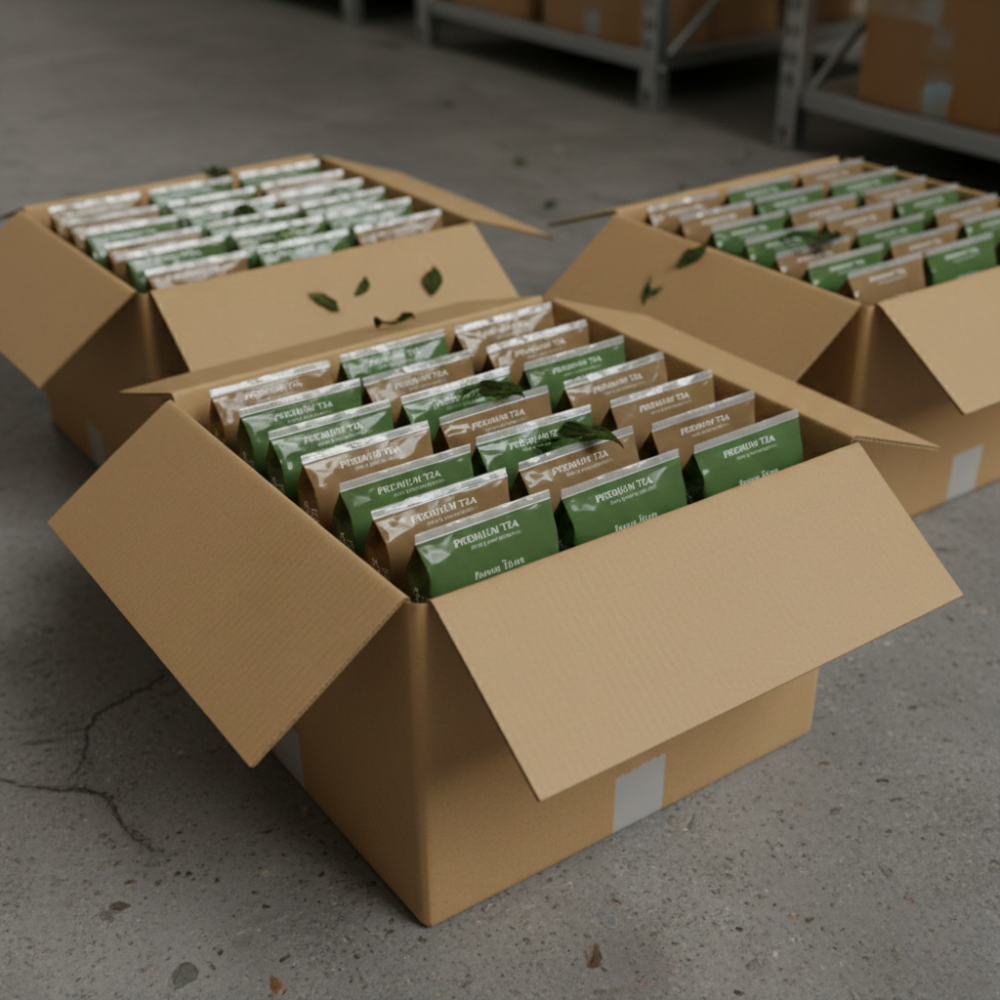
Tea imports into Vietnam are increasing, However, many businesses encounter obstacles due to lack of careful preparation and lack of understanding of the process. In the article, We have clearly presented common mistakes such as not checking import conditions, Failure to fully prepare food safety inspection documents, Product labels do not comply with regulations, along with choosing an inappropriate shipping method and lack of close coordination with suppliers, forwarder.
These mistakes not only cause delays but also incur unnecessary costs, affect business performance.
To avoid these risks, Businesses need to take careful preparation steps such as looking up the correct HS code, Ask for professional advice or a reputable forwarder, Prepare complete documents according to regulations, Check and edit product labels according to standards, At the same time, choose an appropriate and clear shipping method in cooperation with the supplier. Special, Careful cost calculation will help minimize unexpected risks.
In this context, Support from professional units such as Logistics power plays an important role in checking records, Customs clearance and complete shipping, Helps businesses save time, costs and minimize risks in the process of importing tea. Thanks to that, Businesses can rest assured to expand their markets, Improve service quality and ensure success in import and export activities.
Cuong Quoc Freight Forwarding Company Limited
Office: 7th floor, Parami Building, 140 Bach Dang, Tan Son Hoa Ward, Ho Chi Minh City
Hotline: 0972 66 71 66
Email: info@cql.com.vn
Website: https://cql.com.vn/

See more at