You are planning to import fertilizer to serve agricultural business? This requires not only product knowledge but also a thorough grasp of complex legal procedures in Vietnam. Là một doanh nghiệp, You may encounter many challenges if you are not carefully prepared. In this article, We will provide detailed instructions on fertilizer import procedures, From the basic process to the most important considerations. Hãy cùng tìm hiểu nhé!
Article Content
- 1 Why Are Fertilizer Import Procedures Complicated??
- 2 Legal Basis Applicable When Importing Fertilizers
- 3 Classifying Fertilizers Before Importing
- 4 7 Step Process of Importing Fertilizers (Not yet in circulation)
- 4.1 Step 1: Determine Fertilizer HS Code
- 4.2 Step 2: Enter Test Samples & Complete Certificate of Circulation
- 4.3 Step 3: Register for Quality Check (KTCL)
- 4.4 Step 4: Open the Import Customs Declaration
- 4.5 Step 5: Sampling – Quality Check – Regulation Conformity
- 4.6 Step 6: Submit Quality Audit Results & Goods Clearance
- 4.7 Step 7: Importing the Next Lots for Business
- 5 Common Business Mistakes When Importing Fertilizers
- 6 Conclude
Why Are Fertilizer Import Procedures Complicated??
First, Let's talk about the big picture. In Vietnam, Fertilizer management is placed under strict supervision of the Ministry of Agriculture and Rural Development (BNNPTNT). Fertilizer is not only a common commodity but also directly related to food safety, environmental protection and public health. That's why, Fertilizer import procedures are always strictly controlled to ensure product quality meets standards.
Why is fertilizer a specialized management product?? Simply because the fertilizer is of poor quality or contains toxic substances, nó có thể gây hại cho cây trồng, land and even affect the food supply chain. According to statistics from authorities, Every year, many fertilizer shipments are refused customs clearance because they do not meet standards. This puts many businesses at great risk, from wasting time, Storage costs can even result in administrative fines.
If you do customs clearance yourself without assistance, Common risks include: Wrong HS code (Harmonized System), Lack of testing license, or not fully preparing quality inspection documents. These errors can lead to goods being stuck at the port, increased logistics costs by many times. 
Fertilizer Import Procedures 2026
Legal Basis Applicable When Importing Fertilizers
To import fertilizer successfully, You need to master the relevant legal documents. The first is the Law on Crop Production 2018, General regulations on fertilizer management, from production to import and distribution. Next, Decree 84/2019/ND-CP provides detailed instructions on fertilizer management, including quality requirements and administrative procedures.
Most recently, Circular 01/2024/TT-BNNPTNT has updated new regulations on testing and recognition of fertilizer circulation., makes it easier for businesses to apply. Besides, Decree 130/2022/ND-CP regulating penalties for administrative violations in the field of cultivation, reminds us of the consequences of non-compliance.
Correct application of legal documents not only helps you avoid fines but also ensures goods are cleared quickly.
Classifying Fertilizers Before Importing
Before starting to import fertilizer, Correct classification is the first and most important step. Fertilizers are divided into three main types: inorganic fertilizer (chemistry) like urea, Organic fertilizer from natural sources such as manure, and biofertilizers containing beneficial microorganisms.
Why is correct classification so important?? Firstly, It determines the HS code - the customs code used to calculate taxes and apply regulations. Wrong HS code can lead to heavy fines. Monday, Each type of fertilizer has different licensing procedures; For example, Biofertilizers often require more stringent testing. Final, Quality testing is also based on the type of fertilizer to ensure compliance with regulations.
7 Step Process of Importing Fertilizers (Not yet in circulation)
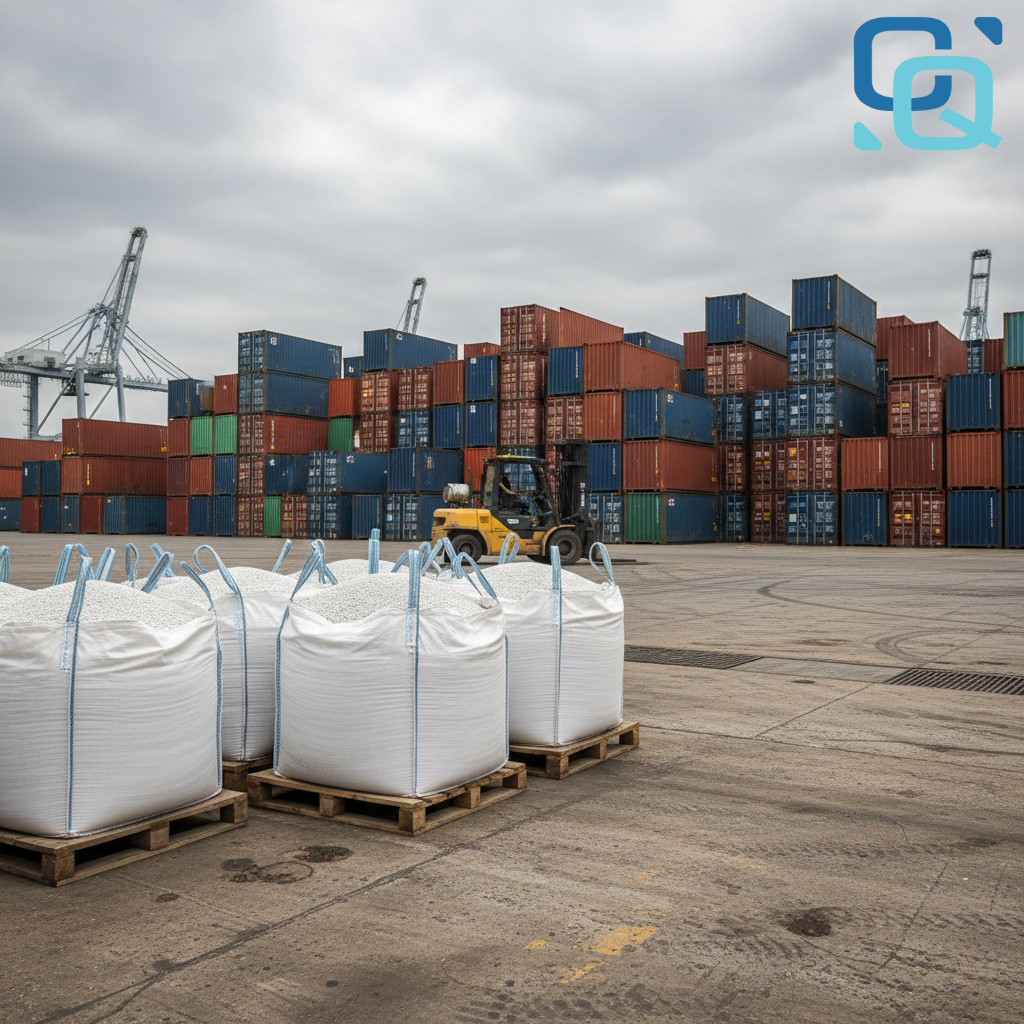
Now, let's get to the point: Fertilizer import process for goods not yet in circulation in Vietnam. This process includes 7 steps, requires close coordination between businesses, State agencies and logistics units.
Step 1: Determine Fertilizer HS Code
HS code is “key” for the entire fertilizer import process. It helps determine import tax rates, customs fees and inspection requirements. For example, Inorganic fertilizers usually have HS code 3102 or 3105. If incorrectly determined, You may have your taxes collected or even your goods confiscated.
Step 2: Enter Test Samples & Complete Certificate of Circulation
This is an important step for new fertilizers. You need to apply for a license to import fertilizer for testing from MARD. Afterward, Organize field testing (usually takes 6-12 months), Accept the results and submit documents to issue a certificate of circulation - valid for 5 years. This process ensures the product is safe and effective.
Step 3: Register for Quality Check (KTCL)
Register for KTCL through the National One-Stop Portal (NSW). This registration number is required for customs clearance. If missing, Goods will be detained. This is when customs procedures start to get complicated, and a small mistake can prolong the time.
Step 4: Open the Import Customs Declaration
Prepare customs documents including commercial invoice, bill of lading, Certificate of origin and KTCL number. The system will divide the stream (green, Yellow, red), Decide on the level of inspection.
Step 5: Sampling – Quality Check – Regulation Conformity
At port or warehouse, Authorities take samples for testing. The results of quality inspection and compliance must meet standards to continue. This step usually takes 7-14 days, depending on the type of fertilizer.
Step 6: Submit Quality Audit Results & Goods Clearance
Submit results for customs clearance. With test batch, Goods are for testing purposes only, not for sale. Customs clearance conditions include complete documents and no violations of regulations.
Step 7: Importing the Next Lots for Business
After obtaining the circulation certificate, procedure for commercial batches abridged: Just need inspection and basic customs procedures. This helps businesses save time and costs.
Common Business Mistakes When Importing Fertilizers
Many businesses make mistakes such as importing without a license, leading to fines or destruction of goods. Another mistake is confusion between testing and business batches, cause delay. Wrong HS codes or quality inspection records are also common, and not preparing for post-inspection can lead to unscheduled inspections. To avoid, Plan from the beginning and work with a professional.
Conclude
In short, Importing fertilizer requires great caution, but with support from Cuong Quoc Logistics, you can be more confident. If you need specific advice on customs procedures or fertilizer import processes, Please contact us today. We are always ready to accompany you!
Office: 7th floor, Parami Building, 140 Bach Dang, Tan Son Hoa Ward, Ho Chi Minh City
Hotline: 0972 66 71 66
Email: info@cql.com.vn
Website: https://cql.com.vn/

See more at