In the process of importing floor tiles, Businesses often encounter many risks and errors that can greatly affect progress, project cost and quality. Understanding common mistakes and taking effective preventative measures is essential to ensure the import process goes smoothly., Save costs and limit legal risks. Below are common mistakes and effective ways to avoid them.
Article Content
- 0.1 Mistake 1: Choosing the wrong HS code leads to wrong tax
- 0.2 Mistake 2: Failure to properly prepare quality inspection documents
- 0.3 Mistake 3: Choose a supplier whose quality and information are unknown
- 1
- 2 Mistake 4: Uncontrolled packaging – easily damaged
- 3 How to avoid mistakes when importing floor tiles
- 3.1 Refer to the exact HS code regulations from reputable units such as Cuong Quoc Logistics
- 3.2 Prepare complete quality inspection documents, valid according to regulations
- 3.3 Choose a reputable supplier, Physical examination and catalog inquiries, clear image
- 3.4 Packaging control, Use appropriate pallets, Prepare safe packaging methods
- 3.5 Specify complete technical information in the customs declaration
- 3.6 Plan your time, Calculate reasonable storage and domestic transportation costs
- 3.7 Optimize domestic transportation costs by choosing a professional logistics unit like Cuong Quoc Logistics
- 4 Conclude
Mistake 1: Choosing the wrong HS code leads to wrong tax
One of the most common mistakes when import bricks is choosing the wrong HS code, leading to tax calculations that deviate from actual regulations. Normally, Businesses incorrectly differentiate between types of tiles such as ceramic, porcelain, granite, leading to incorrect HS code declaration. Besides, Many businesses also declare codes based on suppliers' quotes instead of based on the actual goods. This easily leads to having to pay taxes higher or lower than the prescribed rate, greatly affects the final cost.
How to avoid:
- Refer to Circular 65/2017/TT-BTC to determine the exact HS code for each type of tile..
- Please seek advice from units knowledgeable about HS codes such as: Logistics power to ensure proper declaration, Avoid tax problems later.
Mistake 2: Failure to properly prepare quality inspection documents
Floor tiles belong to the group of construction materials, therefore, Lack of quality control documents will cause difficulties in the customs clearance process and may lead to detention or rejection of goods.. Lack of certifications such as compliance, Test results or related documents will cause project delays or additional costs to re-do these certifications..
How to avoid:
- Understand the quality inspection requirements according to Circular 13/2018/TT-BXD.
- Fully prepare CQ certifications, COA, conforms to standards/regulations from the supplier, Ensure availability when needed to avoid delays.
Mistake 3: Choose a supplier whose quality and information are unknown
Choosing a supplier whose quality is unclear or who does not have complete information about the product is the cause of many risks when import bricks. Poor quality products may be detected during the inspection process, causing financial and reputational damage. Besides, packaging information, Mismatched origin on C/O documents is also a warning sign of the risk of counterfeit goods, counterfeit goods.
How to avoid:
- Carry out actual factory inspection, Use factory audit service to verify quality.
- Ask the supplier to provide a catalog, Clear pictures of the shipment, Ensure information is accurate and complete.
Avoiding these mistakes not only helps businesses save costs but also minimize legal risks, project quality and progress. Special, Cooperation with reputable logistics units such as Logistics power will support businesses in checking HS codes, Prepare quality documents, Accurate customs declaration, At the same time, optimize domestic transportation costs.
Mistake 4: Uncontrolled packaging – easily damaged
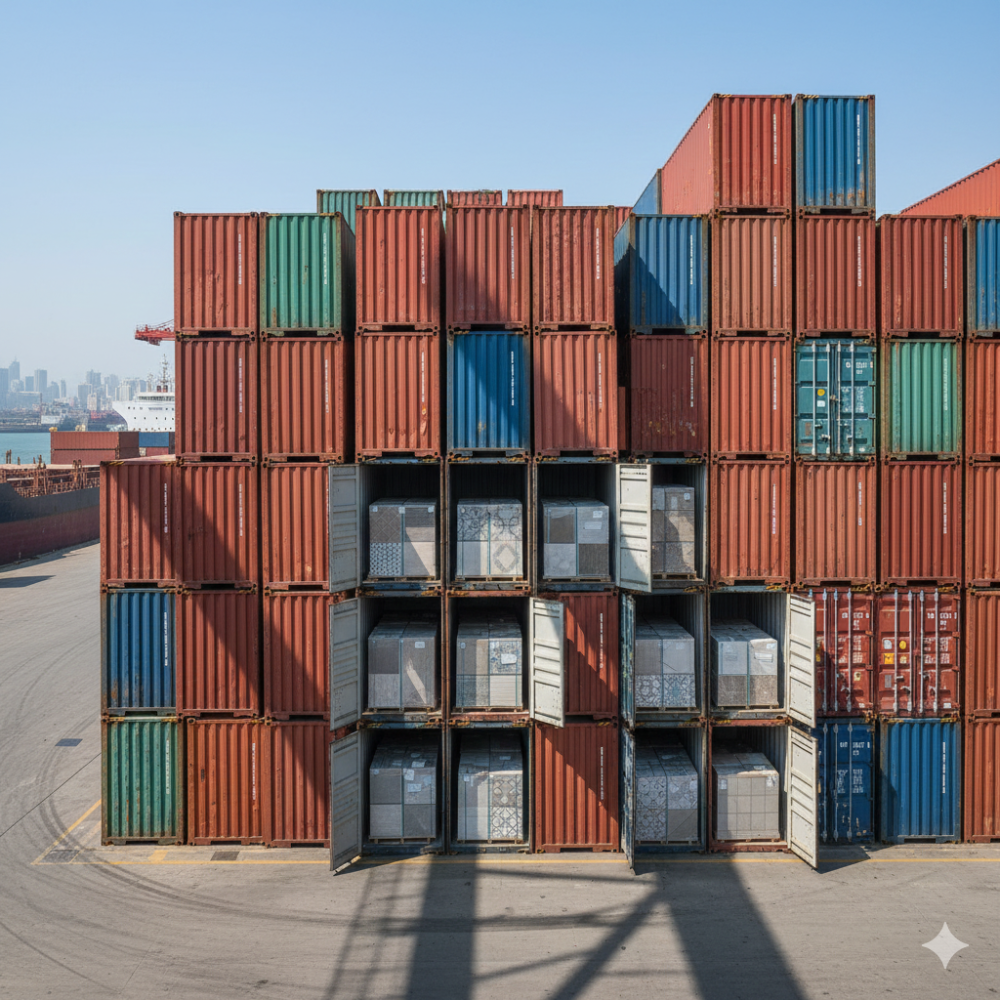
When importing floor tiles, One of the common and serious mistakes is not carefully controlling the packaging process. This leads to bricks easily breaking, cracked or damaged during transportation and storage, greatly affects product quality, increases costs and causes project delays. To avoid making this mistake, Businesses need to have preparation and strict control during the packaging process.
First, Failure to control packaging can cause tiles to break easily or crack during transportation. Floor tiles are quite sturdy items but are still vulnerable if not packaged properly. Impacts, Strong shaking or sudden impact during transportation can cause the bricks to break, causing damage in terms of quality and future repair or replacement costs. Simultaneously, This situation also reduces the reputation of the business when the goods delivered to customers do not meet the requirements, affects the brand in the market.
Monday, Substandard packaging is also a major cause of damage to goods when importing bricks. The use of poor quality pallets, Not suitable for storing heavy goods or without shockproof layers, Proper protection will increase the likelihood of tiles being bumped or scratched during transportation. Instead of using sturdy wooden pallets, Shockproof foam or thick carton, Many businesses still use substandard packaging, making goods vulnerable during domestic transportation or during loading and unloading at the port.
For effective packaging control, Businesses need to take the following steps:
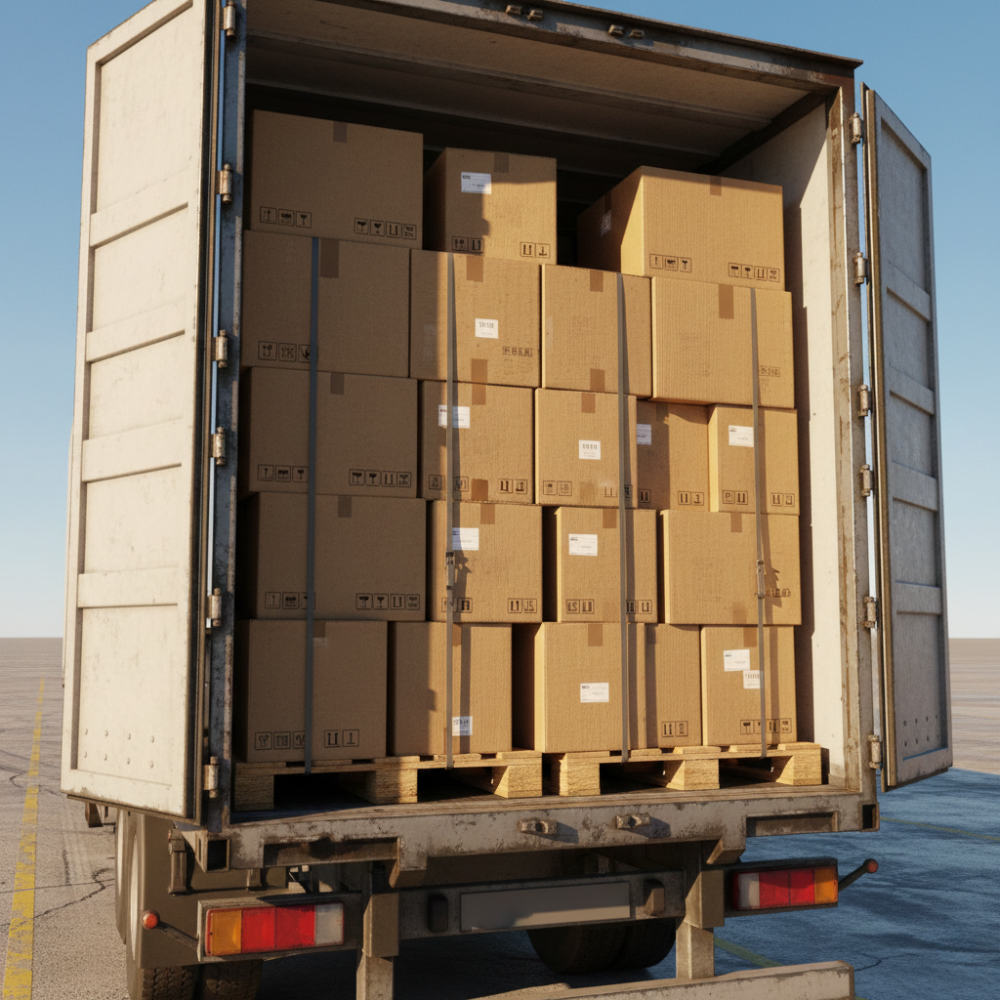
- Ask supplier to standardize packaging standards: Use wooden pallets, foam, thick cardboard, Shockproof and anti-mold.
- Check the packaging method before loading the goods into the container, ensuring all bricks are maximally protected from physical impacts.
- Ask the supplier to provide actual images of the packaging process, to verify packaging methods and quality.
- Regularly check goods during packaging, Make sure no bricks are cracked, broken or damaged.
- Cooperate with professional logistics units such as **Cuong Quoc Logistics**, to ensure the packaging and shipping process meets international standards, Minimize the risk of damage.
Packaging control not only helps protect product quality but also helps minimize costs incurred by having to repair or replace damaged goods.. Simultaneously, Properly packaged goods also help the loading and unloading process, Transportation and storage take place smoothly, ensure project progress and improve enterprise competitiveness in the brick import market.
In the context of increasingly fierce competition, Businesses need to clearly realize the importance of controlling the packaging process, especially when importing fragile items such as floor tiles. Consulting and cooperating with reputable logistics units like **Cuong Quoc Logistics** is the optimal solution to ensure your goods are always fully protected throughout the transportation and storage process..
How to avoid mistakes when importing floor tiles
Importing floor tiles is a complex process that requires careful preparation from the stage of determining HS codes, Prepare records, Supplier selection to packaging and shipping control. Common mistakes in this process don't just cause increased costs, delays project progress but can also lead to goods being stored, recheck, even refused customs clearance.
To minimize this risk, Businesses need to have a clear strategy and take the right preparation steps, Effective coordination with reputable logistics units such as Cuong Quoc Logistics.
Refer to the exact HS code regulations from reputable units such as Cuong Quoc Logistics
One of the most important factors when importing bricks is determining the correct HS code. Ceramic tiles, Porcelain or granite both have separate HS codes, and accurate distinction helps avoid discrepancies in tax declarations and customs procedures. Normally, Many businesses rely on suppliers' quotes to declare HS codes, However, this can cause errors if the code does not match the actual product.
To avoid this, Businesses should refer to updated regulations from Circular 65/2017/TT-BTC and seek advice from professional units such as Cuong Quoc Logistics, where there is knowledge and experience in determining the correct HS code, in accordance with legal regulations.
Prepare complete quality inspection documents, valid according to regulations
Quality inspection records are an indispensable part of the floor tile import process. Bricks belong to the group of construction materials, Therefore, certification of conformity is required, Test results conform to technical standards. Missing these documents not only delays customs clearance procedures but can also lead to administrative fines. Therefore, Enterprises need to carefully check the document requirements according to Circular 13/2018/TT-BXD, Fully prepare CQ certifications, COA, Quality test paper before goods arrive at the warehouse.
Choose a reputable supplier, Physical examination and catalog inquiries, clear image
Choosing a supplier of unknown origin or poor quality is one of the big risks when importing bricks. Poor quality bricks may be refused inspection, causing loss in cost and time. Therefore, Businesses need to conduct physical inspections of suppliers or use factory audit services to verify the capacity and reputation of partners.. Besides, Ask the supplier to provide a clear catalog, shipment image, certificate of origin (C/O) to avoid disputes about goods information.
Packaging control, Use appropriate pallets, Prepare safe packaging methods
Packaging according to standards is a decisive factor in the quality of goods during transportation. Bricks are fragile, crack if not properly packaged, easily leads to loss of goods when transported through many routes, vehicle. Therefore, Businesses need to require packaging standards such as wooden pallets, foam, thick cardboard, shockproof. Before loading goods into containers, You need to carefully check the packaging method, ensuring maximum safety throughout the transportation process.
Specify complete technical information in the customs declaration
Declaring the customs declaration is a decisive step in the goods clearance process. If the type is not specified, size, material, technical standards or missing important information, Goods are easily transferred for inspection or subject to administrative sanctions. To avoid this, Businesses should prepare a full set of specifications including::
- Size (long, wide, cao)
- Material
- Uses
- Quality standards
Besides, Authorizing reputable units like Cuong Quoc Logistics to declare accurately from the beginning is also a way to help minimize the risk of errors..
Plan your time, Calculate reasonable storage and domestic transportation costs
Bricks are heavy items, easily incur large storage and lifting costs. Therefore, Businesses need to clearly plan import time, track incoming ships, Prepare documents 3-5 days in advance to avoid delays. Besides, You need to carefully calculate storage fees, lifting fee, Domestic shipping fees to avoid unexpected problems, affect project progress.
Optimize domestic transportation costs by choosing a professional logistics unit like Cuong Quoc Logistics
Domestic transportation costs often account for the majority of total import costs. Therefore, Businesses should choose professional logistics services, have heavy cargo vehicles, suitable equipment. Cuong Quoc Logistics is a leading transportation unit, Helps businesses optimize costs, Improve the efficiency of domestic transportation, Minimize risks of goods during transportation.
So, Importing floor tiles requires businesses to have a clear strategy, Prepare documents carefully, Choose reputable partners and strictly control every step in the process. Only then, risks of errors, New costs or delays can be minimized, ensure project progress and quality.
Conclude
Importing floor tiles is a complex process that requires careful preparation and a clear understanding of relevant regulations to avoid common mistakes.. Errors such as choosing the wrong HS code, Lack of quality control records, Choosing a supplier of unknown origin, Does not control the packaging process well, sketchy declaration, Do not calculate storage costs, Domestic transportation can cause serious consequences such as increased costs, Project delays or goods are stored in containers.
To limit these risks, Businesses need to refer to the exact HS code regulations from reputable units such as Logistics power, Prepare complete and valid documents, Quality check, Choose a reliable supplier, Good control of the packaging process, Clearly state technical information in the declaration, Plan reasonable time and optimize domestic transportation costs. Cooperation with professional logistics units such as Logistics power will help businesses minimize risks, Save costs and ensure project progress.
Overall, Success in importing floor tiles depends not only on regulatory knowledge but also on close coordination between businesses and reputable logistics partners., thereby improving efficiency and ensuring the success of the entire import process.
Cuong Quoc Freight Forwarding Company Limited
Office: 7th floor, Parami Building, 140 Bach Dang, Tan Son Hoa Ward, Ho Chi Minh City
Hotline: 0972 66 71 66
Email: info@cql.com.vn
Website: https://cql.com.vn/

See more at