Article Content
Overview of Tea Import Policy 2025
In the context of increasingly deep economic integration, work import tea in Vietnam plays an important role in ensuring a diverse supply, quality and competition. The tea import policy in 2025 has had many adjustments to suit market developments, requirements of law and international standards. Below are the key points of this policy overview.
Types of tea are allowed to be imported and are subject to general regulations
The 2025 tea import policy clearly defines the types of tea allowed into the Vietnamese market, including:
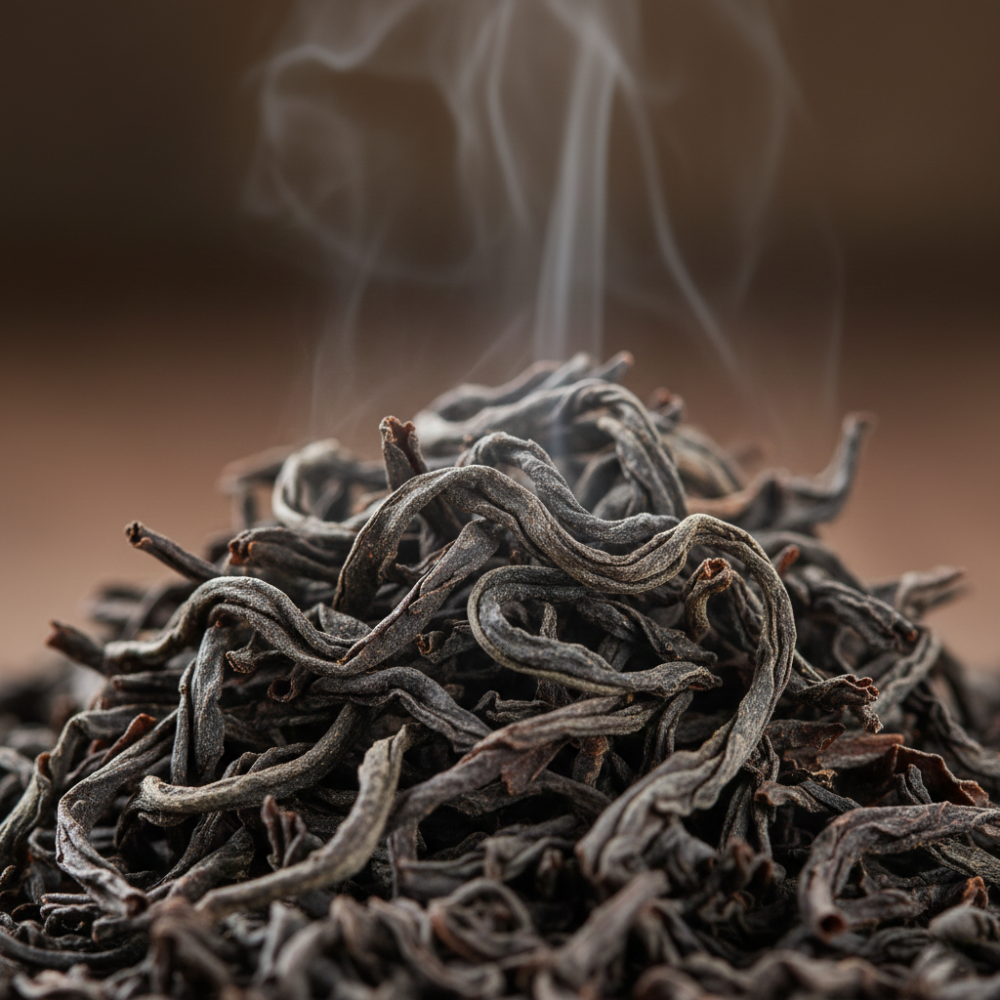
- Dry tea: raw tea form, Need to comply with food safety inspection and plant quarantine according to regulations.
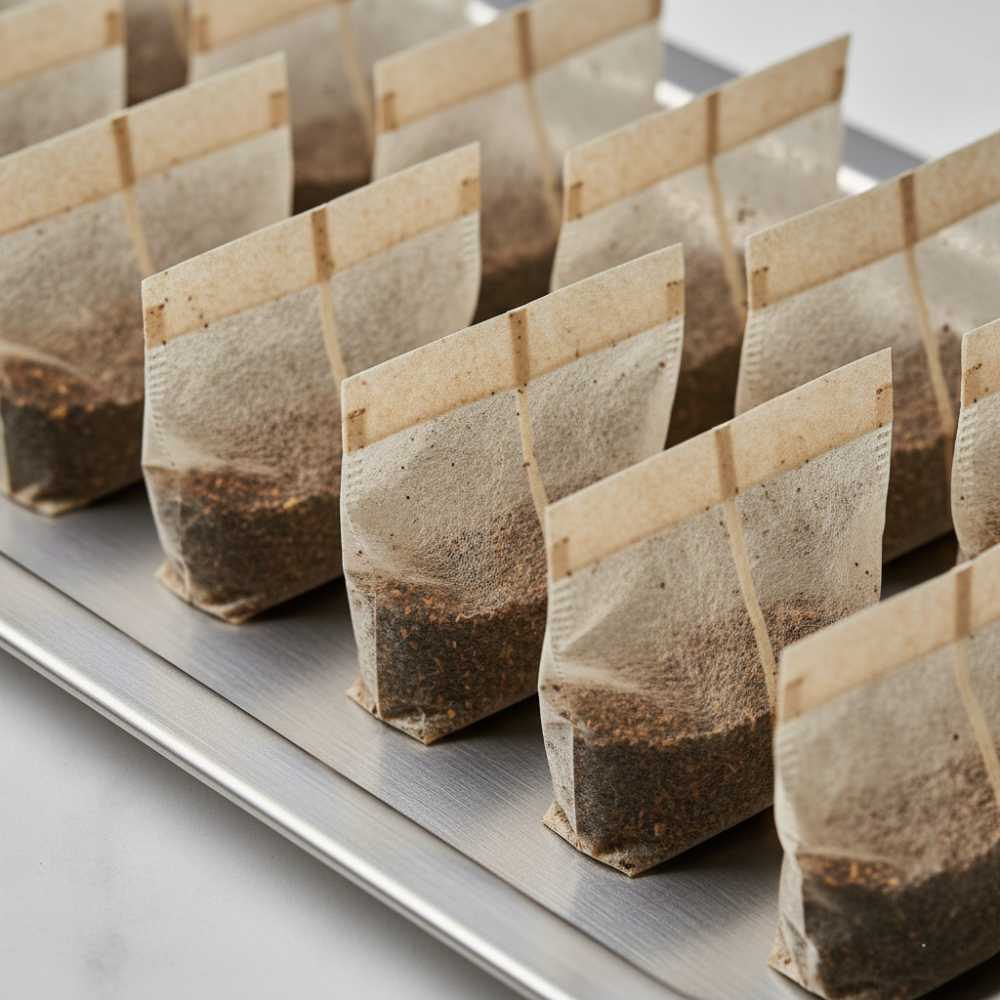
- Tea bags: processed, Manufactured and packaged according to food safety standards.
- Matcha: finely ground green tea, must meet quality and safety standards.
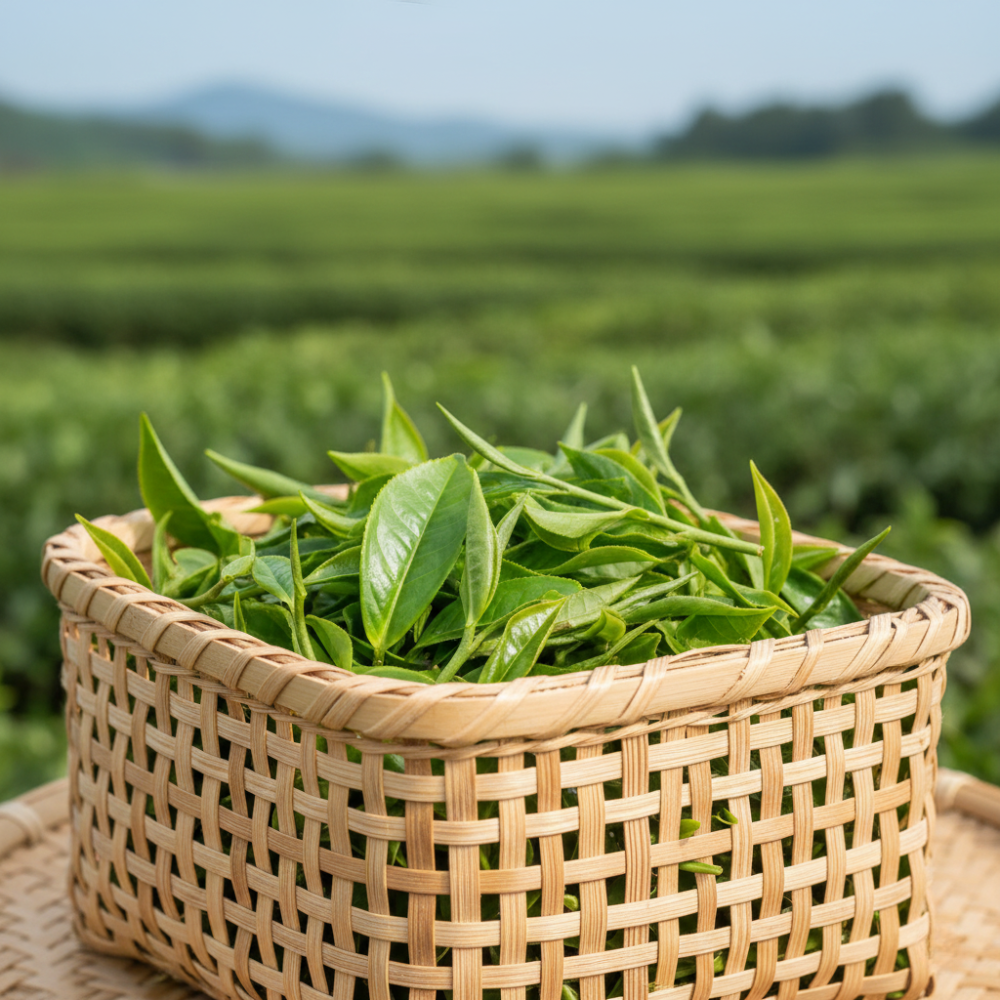
- Fresh tea (raw tea leaves): Plant quarantine requirements to ensure they do not carry pathogens, pests.
These types of tea are not subject to import ban, However, Bringing goods into the market must comply with regulations on food safety inspection (Food safety) and plant quarantine, suitable for each specific product type.
Legal basis and relevant regulations
Tea import policy 2025 is based on the latest legal basis, include:
- Customs Law 2014: regulations on import and export activities, customs inspection, HS code, and related procedures.
- Decree 15/2018/ND-CP (regulations on food safety): set standards, inspection process, Handling imported goods into Vietnam.
- Circular 38/2015 & 39/2018 of the Ministry of Finance and Customs: Specific instructions on customs procedures and specialized inspections.
- Circular 33/2014/TT-BNNPTNT: regulations on plant quarantine, Especially important for fresh tea and raw tea leaves.
These regulations form a solid legal framework to manage operations import tea, ensure goods meet food safety and hygiene standards.
Characteristics and testing requirements for different forms of tea
Classification of tea types helps to accurately determine the inspection requirements and related procedures:
- Dry tea, pre-packaged tea (food form): Need to register for food safety inspection, ensure goods meet heavy metal limits, microorganism, impurities, and other quality standards.
- Fresh tea (raw tea leaves): Compulsory plant quarantine (PQ), Must have a quarantine certificate from the exporting country to ensure it does not carry pests, pathogens.
- matcha tea, instant tea, tea bags: Request food safety inspection according to regulations, It may be necessary to supplement standard compliance test results.
This policy is intended to ensure that each form of goods is properly inspected, Helps avoid food safety risks, Protect public health and maintain the reputation of the Vietnamese tea industry in the international market.
In that context, businesses import tea need to clearly understand the regulations, Prepare complete documents, At the same time, comply with the inspection process, quarantine to avoid unwanted risks during import. The regulations are clear, Strict implementation of the 2025 tea import policy will contribute to promoting legal trade activities, effective and sustainable.
Tea Import Conditions and Records 2025
In process import tea entering Vietnam in 2025, Businesses need to clearly understand the conditions and legal documents to ensure the process goes smoothly, legal and in accordance with the law. Complying with these conditions not only helps avoid administrative problems but also contributes to enhancing the reputation of the business in the international market and in the eyes of authorities..
1. Conditions for processed and fresh teas
In 2025, import tea divided into two main groups based on form and processing process:
- Processed tea: Includes dry teas, tea bags, matcha, instant tea, v.v.
- For these teas, Enterprises need to carry out food safety inspection according to the published method in accordance with current regulations.
- Processed tea does not require plant quarantine, Except for forms of tea that may contain fresh ingredients, even unprocessed tea leaves.
- Fresh tea (raw tea leaves):
- Must meet plant quarantine requirements according to regulations (Phytosanitary).
- Therefore, Enterprises need to prepare full quarantine documents to request inspection by authorities before goods arrive at Vietnamese ports..
Besides, Pre-packaged teas in food form also need to comply with food safety inspection regulations, and may have to register for this inspection before proceeding with import.
2. What documents need to be prepared?
To import tea success in 2025, Enterprises need to prepare the following sets of documents:
- Commercial profile:
- Invoice (Commercial invoice): Prove the value of the shipment and its origin.
- Packing List (Packing list): List items, quantity, weight, cargo size.
- Bill of Lading or AWB (Bill of lading): Documents for transporting goods by sea or air.
- C/O (Certificate of origin): If businesses want to enjoy tax incentives under FTAs (Free trade agreement).
- Food safety profile:
- Self-declaration or registration for state inspection of food safety: confirm that the product meets regulatory food safety requirements.
- Test results: heavy metal indicators, microorganism, impurities, v.v. (if necessary).
- Plant quarantine records (for fresh tea):
- Plant quarantine certificate (Phytosanitary): Issued by the quarantine agency of the exporting country, confirm that the goods do not contain pests, insect, harmful disease.
3. Food safety and plant quarantine records necessary for businesses
- Food safety profile:
- Enterprises need to self-announce or register for state inspection of food safety, in accordance with the provisions of Decree 15/2018/ND-CP and Circular 38/2015, 39/2018 of the Ministry of Health and Ministry of Industry and Trade.
- Profile included: self-declared license, Test results of safety indicators according to Vietnamese standards or international standards, in accordance with regulations of the Ministry of Health.
- Plant quarantine records:
- For fresh tea, Enterprises need to prepare and present Plant quarantine certificate (Phytosanitary Certificate) Issued by the quarantine agency of the exporting country.
- This document certifies that the goods do not carry pests or harmful organisms, Ensuring plant safety when imported into Vietnam.
Fully preparing these documents not only helps the customs clearance process go smoothly but also minimizes the risk of delays due to missing documents or incorrect information..
In the context of increasingly strict tea import policies in 2025, businesses like Logistics power Always recommend that customers carefully prepare the legal conditions and necessary documents. This not only helps shorten customs clearance time but also enhances competitiveness in the international market.
Tea Import Procedures 2025
In process import tea entering Vietnam in 2025, Businesses need to follow a strict process to ensure legality and convenience during the customs clearance process. This process not only helps businesses avoid common errors but also optimizes time and costs when carrying out customs procedures.. Below are the detailed steps in Tea import procedures 2025 do Logistics power support and guidance.
Steps to determine HS codes and product policies
The first step in Tea import process is to determine the correct HS code (Harmonized System) suitable for the type of tea the business intends to import. This is extremely important because the HS code will directly affect the import tax rate, preferential policies (if any) and accompanying legal requirements.
Common HS codes for tea products include::
- 0902.10 – Unfermented green tea
- 0902.20 – Fermented black tea
- 2101.20 – Instant tea
After determining the HS code, Businesses need to check the specific import policy of this item. Tax rate decisions, Tax restrictions or incentives will be based on the identified HS code. Logistics power It is recommended that businesses contact authorities or professional consultants to accurately determine the appropriate HS code, Avoid being inspected, Prolonged inspection or penalty due to incorrect code declaration.
Prepare and submit disclosure documents, food safety check
The next step is to prepare related documents Food Safety (Food safety) and other legal documents. Businesses need:
- Register for declaration of conformity or food safety inspection on the national one-stop system.
- Prepare documents including:: Self-declaration or registration for state inspection of food safety, test results (if required), and documents related to product quality.
- For pre-packaged tea, need to confirm that the product meets heavy metal limit regulations, microbiology, impurities... according to current regulations of the Ministry of Health.
Preparation of complete documents, Accuracy helps the process of opening the declaration and checking go smoothly, avoid additional problems such as delays or unnecessary additional checks.
Procedures for opening customs declarations and plant quarantine
After completing the application preparation steps, Businesses begin to implement Open customs declaration. This is the central step in Tea import process 2025, include:
- Fill in the complete description of the goods, HS code, weight, quantity, value of goods.
- Choose exactly the right types of inspections such as food safety inspections, plant quarantine (for fresh tea).
When submitting the declaration, Businesses need to attach relevant documents such as sales contracts, bill of lading, Plant quarantine certificate (if applicable). Afterward, The Customs office will check the documents and process the declaration.
Food safety inspection process and final customs clearance steps
In process import tea, The goods will have to undergo food safety and plant quarantine checks (necessary). This process includes::
- Enterprises or customs agents register for food safety inspection, Waiting for results from authorities.
- For fresh tea, Enterprises need to present a plant quarantine certificate (Phytosanitary) Issued by the quarantine agency of the exporting country.
- When the test results meet the requirements, Enterprises will be granted customs clearance, Pay taxes and complete final procedures.
After completing the checking steps, The business will receive a customs clearance permit, Goods are brought to warehouse or distributed according to business plans.
In Tea import procedures 2025, Accuracy and completeness in each step are decisive factors for success. Logistics power Always ready to support businesses in determining the appropriate HS code, Prepare accurate documents, as well as carry out customs procedures quickly and effectively. Understanding these steps will help businesses minimize risks and optimize the import process, Ensure goods reach customers on schedule and in accordance with legal regulations.
[h2] Common Mistakes When Importing Tea and Solutions From Logistics Powerhouses
In process import tea, Many businesses often encounter common errors that delay the customs clearance process or increase unnecessary costs. Understand these errors along with solutions from Logistics power will help businesses optimize processes, Minimize risks and ensure goods reach customers on time, according to regulations.
[h3] Common errors in the process of importing tea
In activity import tea, There are some common mistakes that businesses are prone to making, including:
- Wrong HS code (Commodity code system): This is the most common error. Choosing the wrong HS code can lead to inappropriate tax rates, causing additional costs or closer inspection by customs authorities. For example, Choosing the wrong code for unfermented green tea or fermented black tea will affect the customs clearance process.
- Lack of Phytosanitary certificate (plant quarantine): Especially for fresh tea or raw tea leaves, Without this document, the goods will be detained at the port or refused import because they do not meet the plant quarantine requirements of the authorities..
- Not registering for food safety inspection before opening the declaration: According to regulations, Businesses need to register for Food Safety inspection (Food safety) through the one-stop system before customs declaration. Skipping this step will result in delays or requests for additional documents.
- Product description is not clear: Information describing goods that is inaccurate or lacks details can easily cause confusion, are required to supplement documents or undergo closer inspection, prolongs customs clearance time.
- There are no test results consistent with regulations: Heavy metal test results, microbiology, Impurities in tea must meet standards to be cleared. Missing these documents will cause delay or refusal of customs clearance of goods.
- Not fully preparing relevant documents: Import documents are incomplete or lack necessary documents such as Invoice, Packing List, Bill of Lading, C/O, or records related to plant quarantine and food safety.
[h3] The impact of these errors on the customs clearance process
Making the above mistakes can cause serious consequences tea import process, include:
- Delays or congestion at the border: Errors in HS codes or missing documents will result in goods being retained, causing significant delays to business operations.
- Must pay a fine or be subject to administrative sanctions: Failure to comply with regulations on food safety inspection or plant quarantine may result in penalties, even confiscated goods.
- Unexpected cost increases: Inspection fees, quarantine, or improper import tax will increase total import costs.
- Impact on business reputation: Loss or delay in delivery affects the image and reputation of the business in the market.
[h3] Support solutions from Cuong Quoc Logistics to make businesses more convenient
To help businesses minimize risks and optimize processes import tea, Logistics power provide professional support services, include:
- Check item policy before ordering: Our consulting team will help businesses clearly determine the appropriate HS code, regulations on food safety inspection and plant quarantine, helps avoid errors due to choosing the wrong code or missing documents.
- Consulting on HS codes & preferential tax under FTA: Cuong Quoc Logistics supports businesses in determining the correct HS code and taking advantage of tax incentives from free trade agreements, helps reduce import costs.
- Support registration and preparation of food safety inspection documents, quarantine: We help businesses complete the necessary documents, Make online registration, Prepare goods samples for inspection according to regulations, Minimize the risk of goods being retained or requiring additional documents.
- Full customs agency service: Cuong Quoc Logistics undertakes all customs declaration procedures, Check and handle arising problems, helps businesses save time and effort.
- Closely monitor the inspection and customs clearance process: Thanks to the strict tracking system, Enterprises always grasp the progress of goods, Proactively handle arising problems promptly.
With professional support from Logistics power, Businesses will minimize errors in the process import tea, Ensuring goods clear customs quickly, Minimize arising risks and improve business efficiency in the field of tea import in Vietnam.
Conclude
The 2025 tea import policy has been creating clear regulations to ensure product quality as well as food safety.. In there, teas such as dry tea, tea bags, Matcha and fresh tea are both allowed to be imported, but must comply with food safety and plant quarantine inspection procedures in accordance with current legal regulations, like the 2014 Customs Law, Decree 15/2018/ND-CP, and related circulars.
The procedure for importing tea includes steps to determine the HS code, Prepare records, Open customs declaration, Plant quarantine and food safety inspection, to help businesses control risks and minimize errors. Common errors such as wrong HS code, Missing quarantine papers or unclear documents may cause delays or administrative fines, negative impact on the customs clearance process.
In that context, Logistics power Acting as a powerful support partner, provides policy consulting services, Support food safety registration, Plant quarantine and related procedures, helps businesses minimize risks and optimize import processes. Overall, The topic of importing tea in 2025 requires businesses to master legal regulations, Carefully prepare documents and choose reputable logistics partners such as Cuong Quoc to ensure success in import activities, in accordance with current market trends and requirements.
Cuong Quoc Freight Forwarding Company Limited
Office: 7th floor, Parami Building, 140 Bach Dang, Tan Son Hoa Ward, Ho Chi Minh City
Hotline: 0972 66 71 66
Email: info@cql.com.vn
Website: https://cql.com.vn/

See more at