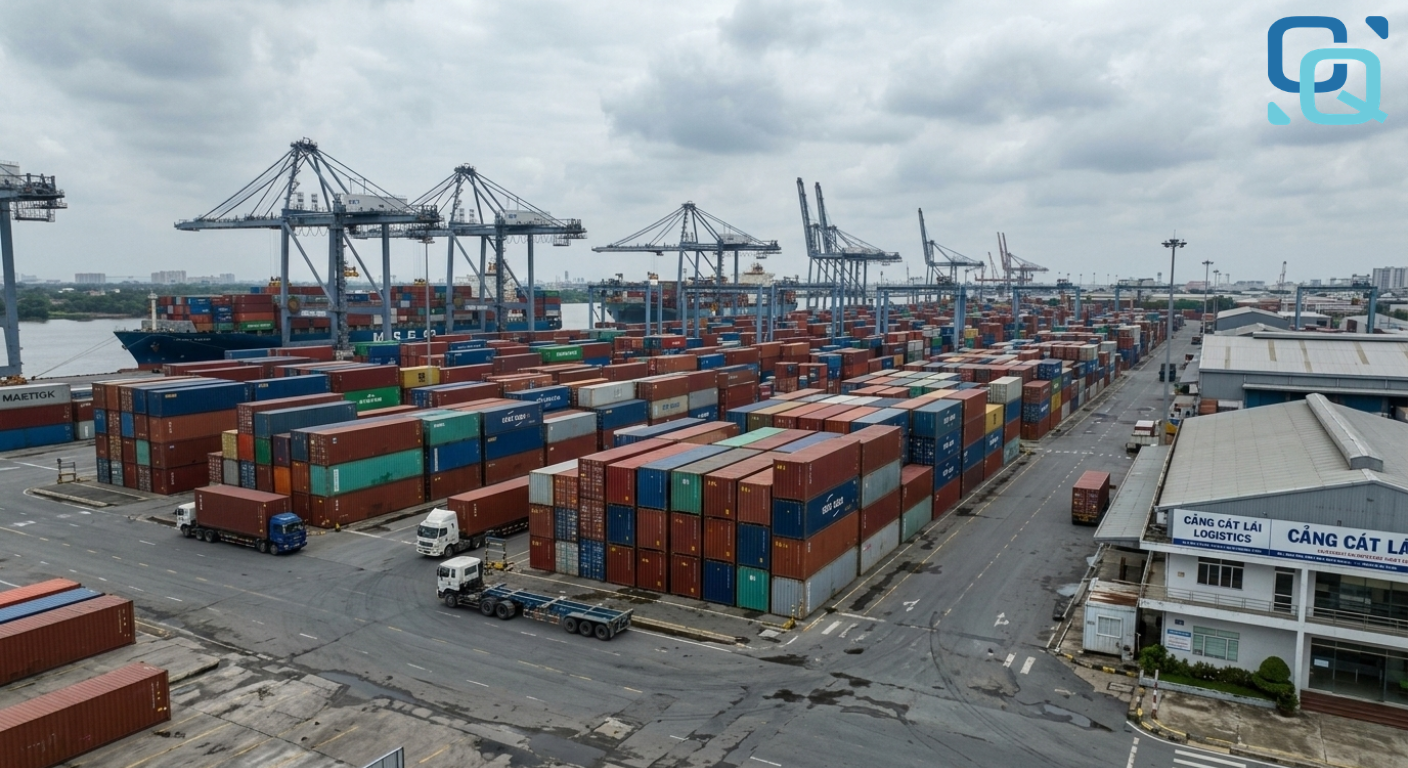
In the context of economic globalization, Vietnamese businesses participating in international supply chains often choose production outsourcing to take advantage of labor and costs.. However, job Tax optimization for processed goods not only helps reduce costs but also avoid legal risks. With updated legal regulations until 2026, Businesses need to master the legal basis to turn optimization into competitive advantage, instead of falling into a cycle of violations. This article will provide detailed instructions on the strategy Tax optimization for processed goods, including way Refund of import tax and risk management tips. If you are looking for a reliable partner, Logistics power is the top choice for comprehensive support in the field of logistics and tax consulting.
Article Content
Legal Basis “Bed Head Pillow” For Tax Optimization
Before implementing any strategy, Businesses must grasp it firmly “game rules” to avoid variables Tax optimization for processed goods into a violation. Law on Import and Export Tax No. 107/2016/QH13 is the foundation, regulations on tax exemption for imported goods used for export processing and production (Production). Decree such as 134/2016/ND-CP and 18/2021/ND-CP add details on tax exemption subjects, Request production facilities and check raw material usage.
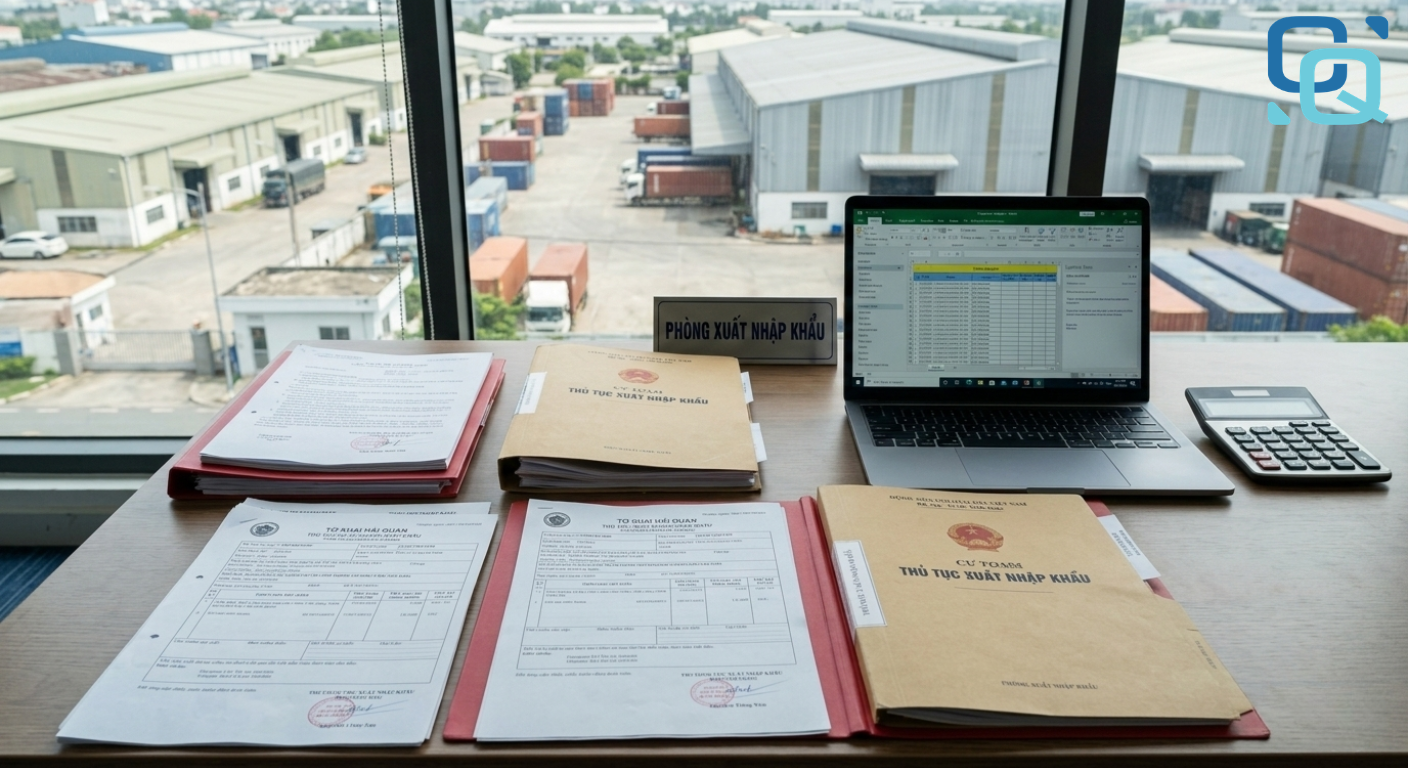
Besides, Circular 38/2015/TT-BTC and 39/2018/TT-BTC guiding customs procedures, Includes settlement report form (Form No. 15/BCQT-NVL/GSQL). By 2026, New updates emphasize the application of digital technology in the report, Helps businesses easily track and submit documents online. Understanding this legal basis not only helps Tax optimization for processed goods but also supports the process Refund of import tax more quickly. According to experience from Logistics power, Many businesses have saved billions of dong thanks to strict compliance with these regulations.
Detailed Tax Optimization Strategy for Processed Goods
1. Norm Management (Norms) – “Heart” Of Optimization
Norms are a core element in Tax optimization for processed goods. Instead of using technical norms according to design, Enterprises should build realistic norms based on real production processes, Includes wastage rate. This increases the amount of eligible duty-free material. For example, You can logically explain to the Customs office the loss rate due to technical factors or production environment.
For efficient storage, Use production documents such as production orders and delivery notes. This is an important basis for post-customs clearance inspection. According to experts at Logistics power, Optimizing attrition rates can reduce tax costs by up to 20-30% if done properly.. Remember that, Norms are not just numbers but also evidence to protect businesses against inspections.
2. Handling of Scrap and Waste (Scrap & Waste)
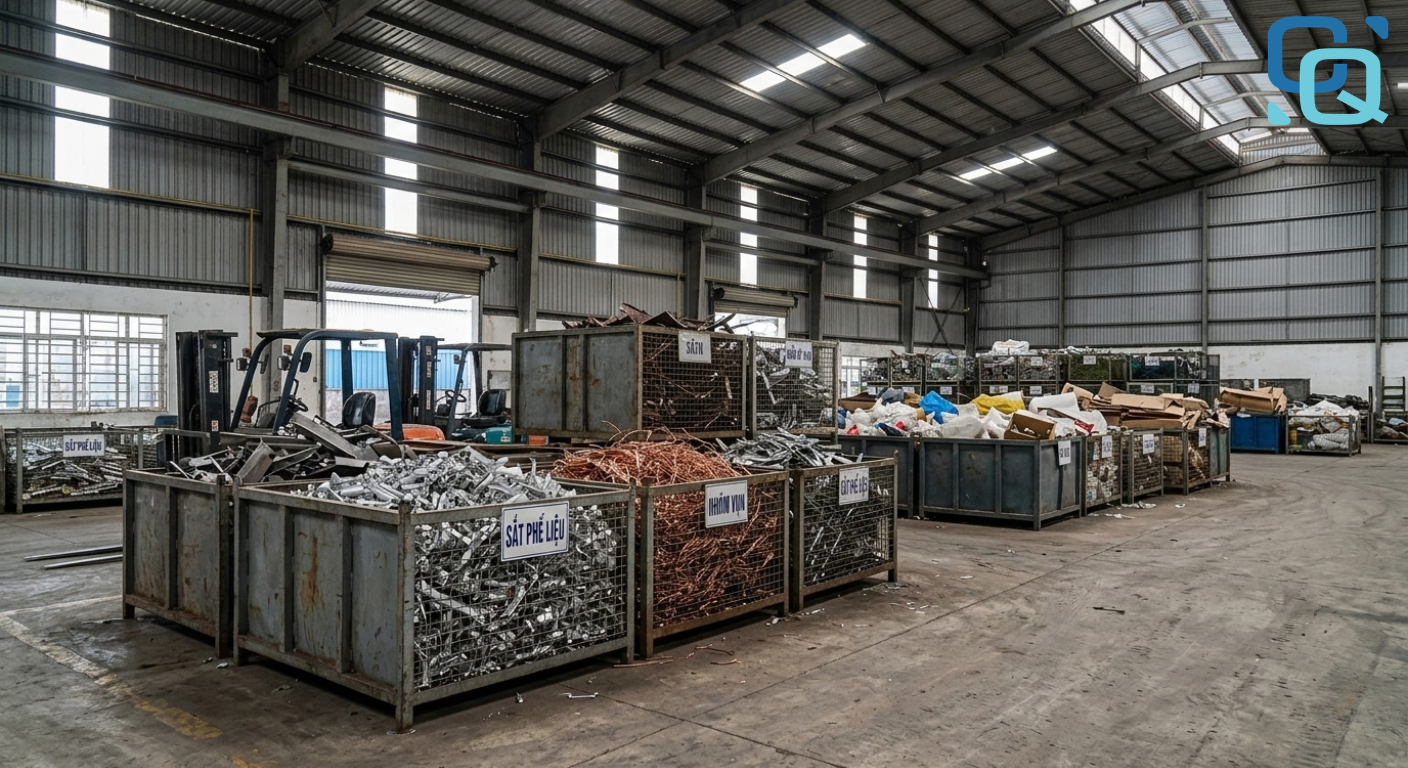
Scrap and waste products are often overlooked, But they can become a source of revenue if handled wisely. Instead of costly destruction, please change the purpose of use for domestic liquidation sale. When selling scrap from processed goods into the domestic market, Enterprises only have to pay VAT for that part, is not subject to import tax if it meets the conditions under Decree 18/2021/ND-CP.
The process requires procedures to declare change of use purpose through declaration A42 before selling. This not only helps Tax optimization for processed goods but also create cash flow from scrap. Logistics power often advise customers on how to optimize this process, helps reduce risks and increase profits from by-products.
3. Take advantage of on-site import and export (E62 – E31)
Type E62 (on-site export) and E31 (imported locally) is a powerful tool to Tax optimization for processed goods. They allow delivery and receipt of goods right in Vietnam as specified by foreign partners, Reduce logistics costs and time. Enterprises need to ensure documents proving actual delivery and payment documents via banks to enjoy 0% tax rate and input import tax exemption..
In fact, Many businesses have saved millions of dong by applying this method. If combined with Refund of import tax, the greater the benefit. Logistics power Support the entire logistics process for this type, From shipping to customs clearance, ensure compliance with the 2026 law.
4. Tax Deduction for Exported Production Goods (Type E31)
For businesses that have not yet been recognized as production facilities, Payment of import tax in advance is mandatory. However, you can do the procedure Refund of import tax immediately after exporting finished products. To manage cash flow effectively, Use a Bank Guarantee Letter to avoid paying money immediately.
This strategy is especially useful for export production goods, Helps businesses maintain working capital. According to update 2026, The tax refund process is digitized, shorten the time from 60 days to 30 days if the documents are complete.
Settlement Report (BCQT) – Data Processing Techniques
Final settlement report is “gate” important, where Customs checks the match between accounting warehouses, production warehouse and customs data. Principle “Match 3 warehouses” based on formula: Balance at the beginning of the period + Input during the period – Output during the period = Balance at the end of the period.
If there is a difference, Businesses may be subject to tax arrears or suspected of dissipating goods. The way to handle it is to take periodic inventory (monthly or quarterly) and check with the customs declaration immediately. If errors are detected, Additional declaration before submitting QT report. Logistics power often support businesses in building software systems to automate this process, reduce risks to a minimum and provide support Tax optimization for processed goods.
Common Problems and Solutions (Troubleshooting)
In process Tax optimization for processed goods, Businesses often encounter a number of problems:
- Loss of goods or warehouse explosion: Prepare a confirmation record from the authorities (Police, Fire protection) to carry out tax exemption procedures due to force majeure.
- Defective goods returned for repair: Use type G13/G23 (temporary import for re-export/temporary export for re-import) to avoid incurring new taxes.
- Sudden changes in norms: System updates and technical explanations (change technology or raw materials) Attached is the production tracking sheet.
- Processing contract expires: Contract liquidity within 30 days, Dispose of machinery by re-export or repurposing (A42).
These solutions help reduce risk and provide assurance Refund of import tax smoothly. With rich experience, Logistics power has helped hundreds of businesses overcome similar problems.
Tips for Becoming a Priority Business (AEO)
To Tax optimization for processed goods thoroughly, Aim for the Enterprise Preferred certification (AEO). Benefits include exemption from record checks, Tax refund before checking later, and voluntary management reports. This reduces the risk of norm rejection and speeds up customs clearance.
To achieve AEO, Enterprises need to demonstrate a solid internal management system, Comply with the law and have a good history. Logistics power provides consulting services to support businesses to achieve this certification, from initial assessment to system implementation.
Conclude: Act Now to Optimize Profits
Tax optimization for processed goods not only reducing costs but also building a sustainable foundation for the business. With legal basis updated in 2026, The above strategies help you manage risks effectively and take advantage Refund of import tax. Don't hesitate, please contact Logistics power for free consultation and comprehensive support. With a team of experienced experts, We are committed to accompanying you on your journey to conquer the global market.
Cuong Quoc Freight Forwarding Company Limited
Office: 7th floor, Parami Building, 140 Bach Dang, Tan Son Hoa Ward, Ho Chi Minh City
Hotline: 0972 66 71 66
Email: info@cql.com.vn
Website: https://cql.com.vn/

See more at