Importing old machines is a popular choice for many Vietnamese businesses to save investment costs, especially in the manufacturing and processing industries. However, This process requires strict compliance with legal regulations to ensure machines meet longevity standards, quality and environmental protection. The article below will provide detailed instructions on the steps to import used machinery, HS code determination word, import conditions, taxes and fees, to the customs clearance process, Helps businesses perform effectively and avoid risks.
Article Content
HS Code Of Old Machinery
To start the process of importing used machinery, Enterprises need to determine HS codes (Harmonized System) of old machinery. HS codes help classify goods, Determine import policies and applicable tax rates. With old machinery, HS code usually belongs to:
- Chapter 84: Including all types of boilers, mechanical machinery, manufacturing equipment such as lathes, milling machine, or press.
- Chapter 85: Related to electrical equipment, recorder, sound reproduction, image, or industrial electrical equipment.
Determining the specific HS code depends on the characteristics, structure and function of machines. Businesses can refer to technical documents, product catalog or contact the Customs Inspection Department for inspection. The results of the actual customs inspection and conclusions from the inspection agency will be the legal basis for applying the HS code. Errors in determining HS codes can lead to administrative fines or tax adjustments, Therefore, it is necessary to check carefully before submitting the application.

Conditions for Importing Old Machinery
Importing used machinery into Vietnam must meet strict conditions according to Decision 18/2018/QD-TTg and related documents.. Specifically:
- Machine life: Machinery must not exceed 10 years old, calculated from the year of import minus the year of production. In case the machinery exceeds 10 years but still achieves at least 85% performance compared to the original and is used for domestic production activities, Enterprises can apply for import permission after special appraisal.
- Technical standards: Machinery must meet national technical regulations (QCVN) about safety, save energy and protect the environment. If no QCVN applies, Machinery needs to comply with national standards or standards of G7 countries (like America, Japan, Virtue).
- Cases where import is prohibited: Machinery is banned if it is on the exporting country's elimination list due to obsolescence, poor quality or cause environmental pollution. Similar, Technology lines that do not meet safety and energy efficiency requirements are also not allowed to be imported.
Businesses need to work with suppliers to ensure machinery meets these standards and prepare supporting documentation such as year of manufacture certificates or performance reports..
Taxes and Fees on Import of Old Machinery
Taxes and fees are an important factor to consider when importing used machinery, directly affects overall costs. The main taxes include:
- Value added tax (VAT): A rate of 10% is applied to the total value of goods (CIF price) plus import tax.
- Import tax: Depends on HS code, Tax rates range from 0% to 20%. Businesses can enjoy special tax incentives if machinery is imported from countries with free trade agreements (FTA) with Vietnam, like EVFTA, CPTPP or ASEAN. To enjoy incentives, Need to submit Certificate of Origin (C/O) valid.
For example, A batch of machinery has a CIF price of 100.000 USD, Subject to 5% import tax and 10% VAT. Total tax payable is:
- Import tax = 100.000 × 5% = 5.000 USD.
- VAT = (100.000 + 5.000) × 10% = 10.500 USD.
- Total tax = 5.000 + 10.500 = 15.500 USD.
Businesses should check the latest Import Tariff from the General Department of Customs or consult consulting services to optimize tax costs..
Documents Needed to Prepare to Import Old Machinery
Documents for importing used machinery include mandatory and additional documents due to life testing requirements. The basic dossier includes::
- Commercial invoice (Commercial Invoice): Provides information about value, Quantity and detailed description of machines.
- Packing slip (Packing List): Specify the number of packages, weight, size and packaging.
- Bill of lading (Bill of Lading): Shipping documents, Confirm shipment from export port to Vietnam.
- Certificate of origin (C/O): Necessary to enjoy tax incentives, issued by a competent authority in the exporting country.
- Customs declaration: Declared via VNACCS system or customs software.
For old machinery, need supplement:
- Inspection registration application: Submit to an inspection organization designated by the Ministry of Science and Technology.
- Certificate of inspection: Confirm the lifespan and technical condition of the machinery.
- Certificate of year of manufacture: Issued by the manufacturer, authenticated by the Vietnamese consulate in the exporting country if there is no applicable QCVN.
All foreign documents need to be notarized translated into Vietnamese. Businesses should prepare early to avoid delays when goods arrive at the port.
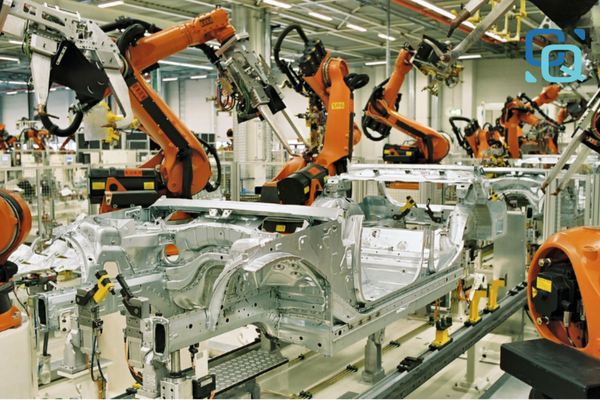
Process of Importing Old Machinery
The process of importing used machinery is more complicated than normal goods due to the requirement of lifespan inspection. Implementation steps include::
Step 1: Customs Declaration
Enterprises enter information into the customs system via VNACCS software, Use documents such as contracts, bill, bill of lading, C/O and HS code have been determined. This process usually takes 1-2 days.
Step 2: Open Customs Declaration
The customs system will classify declarations (green, Yellow, red). Old machinery is always in the red stream, Requires physical inspection and life testing. Enterprises print declarations, Submit documents at the customs department and coordinate with inspection organizations to verify the year of manufacture, machinery performance.
Step 3: Customs Clearance Declaration
After checking the documents and completing the inspection, Customs approves customs clearance if there are no errors. Businesses pay import tax on used machinery and VAT to receive goods. The time for this step ranges from 2-5 days.
Step 4: Transporting Goods to Warehouse
After customs clearance, The enterprise completes the declaration finalization procedure and transports the goods to the warehouse for storage. It is necessary to check the condition of the machinery to ensure it is suitable for its intended use.
The entire process can take 7-15 days, depending on the complexity of the shipment and coordination with the inspection agency.
Notes When Importing Used Machinery
To avoid risks, Businesses need to take note:
- Early inspection: The inspection registration application must be confirmed by the inspection organization before submitting to customs. Businesses can bring goods to temporary storage warehouses, but must submit inspection certificate within 30 days.
- Choose a reputable supplier: Verify documents from suppliers to ensure machinery is not on the list of prohibited imports.
- Follow new regulations: Documents such as Decision 18/2018/QD-TTg may be amended, affecting conditions for importing used machinery.
- Cooperate with logistics units: Companies like Cuong Quoc Logistics can assist in handling procedures quickly, Minimize storage costs.
- Risk of violation: If the machinery does not meet inspection requirements, Businesses may be subject to administrative fines or confiscation of goods.
Conclude
Importing used machinery is an economic solution for many businesses, but requires careful legal and technical preparation. From determining the HS code, Meets longevity and quality standards, to prepare documents and carry out customs clearance, Each step requires precision to avoid additional costs or legal violations. By complying with regulations and cooperating with professional units, Businesses can import used machinery effectively, contributing to improving production capacity and optimizing costs.
Cuong Quoc Freight Forwarding Company Limited
Office: 7th floor, Parami Building, 140 Bach Dang, Tan Son Hoa Ward, Ho Chi Minh City
Hotline: 0972 66 71 66
Email: info@cql.com.vn
Website: https://cql.com.vn/

See more at