In the process of importing and distributing food products, usage customs clearance services Correct handling plays a key role in ensuring smooth delivery of goods, comply with regulations and maximize cost savings. However, Many businesses still make common mistakes, directly affects the customs clearance process as well as the interests of the business itself. Below are 5 common mistakes that businesses need to keep in mind to avoid when providing food customs clearance services.
Article Content
- 0.0.1 1. Not checking import policy and HS code before ordering
- 0.0.2 2. Missing or incorrect product announcement records
- 0.0.3 3. The label does not comply with regulations or lacks a Vietnamese sub-label
- 0.0.4 4. Wrong declaration or missing information in the customs declaration
- 0.0.5 5. Not tracking the progress of specialized inspections
- 1 Why is customs clearance of food products often problematic?
- 1.1 Characteristics of food products
- 1.2 Percentage of goods delayed in customs clearance or returned for inspection
- 1.3 The importance of professional customs clearance services
- 1.4 Mistake 1: Not checking import policy and HS code before ordering
- 1.5 Mistake 2: Missing or incorrect product announcement records
- 1.6 Mistake 3: The label does not comply with regulations or lacks a Vietnamese sub-label
- 1.7 Mistake 4: Wrong declaration or missing information in the customs declaration
- 1.8 Mistake 5: Not tracking the progress of specialized inspections
- 1.9 Solution: Full food customs clearance service at Cuong Quoc Logistics
- 1.10 Conclude
1. Not checking import policy and HS code before ordering
One of the most common mistakes is that businesses often place orders before clearly determining the HS code and related import policies.. Normally, Businesses tend to purchase goods before asking about HS codes or product classification policies, leading to the risk of declaring the wrong HS code or applying the wrong tax rate. The consequence of this may be that the goods are detained, fined or denied customs clearance, even goods on the list of prohibited imports.
To avoid this mistake, Businesses need to carefully look up the HS code of the item before placing an order. This helps clearly define specialized testing requirements, license or other specific regulations. Besides, Businesses should ask their logistics unit or customs clearance service to help check the policy, helps clearly define the standards and processes that need to be followed.
2. Missing or incorrect product announcement records
According to the provisions of Decree 15/2018/ND-CP, most food items, All functional foods must declare their products before completing customs clearance procedures. However, Many businesses only focus on customs declarations but ignore preparing full disclosure documents such as food safety compliance certificates. (CFS), examination paper, test sheet, or food safety proclamation.
As a result, the goods are required to supplement documents or undergo pre-inspection, causing delays in the customs clearance process and incurring unnecessary costs. To fix it, Businesses need to prepare full disclosure documents before goods arrive, Make sure these documents are suitable and valid for customs clearance services to avoid problems during processing at the border gate..
3. The label does not comply with regulations or lacks a Vietnamese sub-label
Labels are a mandatory element in complying with Vietnam's food safety regulations, according to Decree 43/2017/ND-CP. A common mistake is not labeling in Vietnamese, Wrong translation of ingredients, date of manufacture is not specified, Expiry date or other required information.
As a result, the goods are refused import or subject to administrative sanctions, causing delay and damage to corporate image. To fix it, Enterprises should prepare appropriate secondary labels or paste them at the port before specialized inspection to ensure all mandatory contents according to regulations when using customs clearance services..
4. Wrong declaration or missing information in the customs declaration
One of the serious problems is declaring incorrect HS codes or missing relevant documents such as invoices, packing list, bill, certificate of origin (C/O) or import license. Discrepancies in declaration may lead to further inspection, the goods are detained or the declaration must be corrected, prolong customs clearance time and incur costs.
The solution is that businesses need to carefully check documents with a reputable customs clearance unit, At the same time, declare correctly and completely the information of the goods to avoid unwanted problems.
5. Not tracking the progress of specialized inspections
Food products often have to go through food safety inspection steps, quality inspection or quarantine. Many businesses do not closely follow the progress of these procedures, leading to documents being kept waiting for signature or inspection for a long time, causing storage, Cont storage fees arise, unnecessary storage.
To limit this problem, Businesses need to use the service full customs clearance There is a team that closely monitors the steps in the process and continuously updates progress, to minimize storage time and optimize operating costs.
Why is customs clearance of food products often problematic?
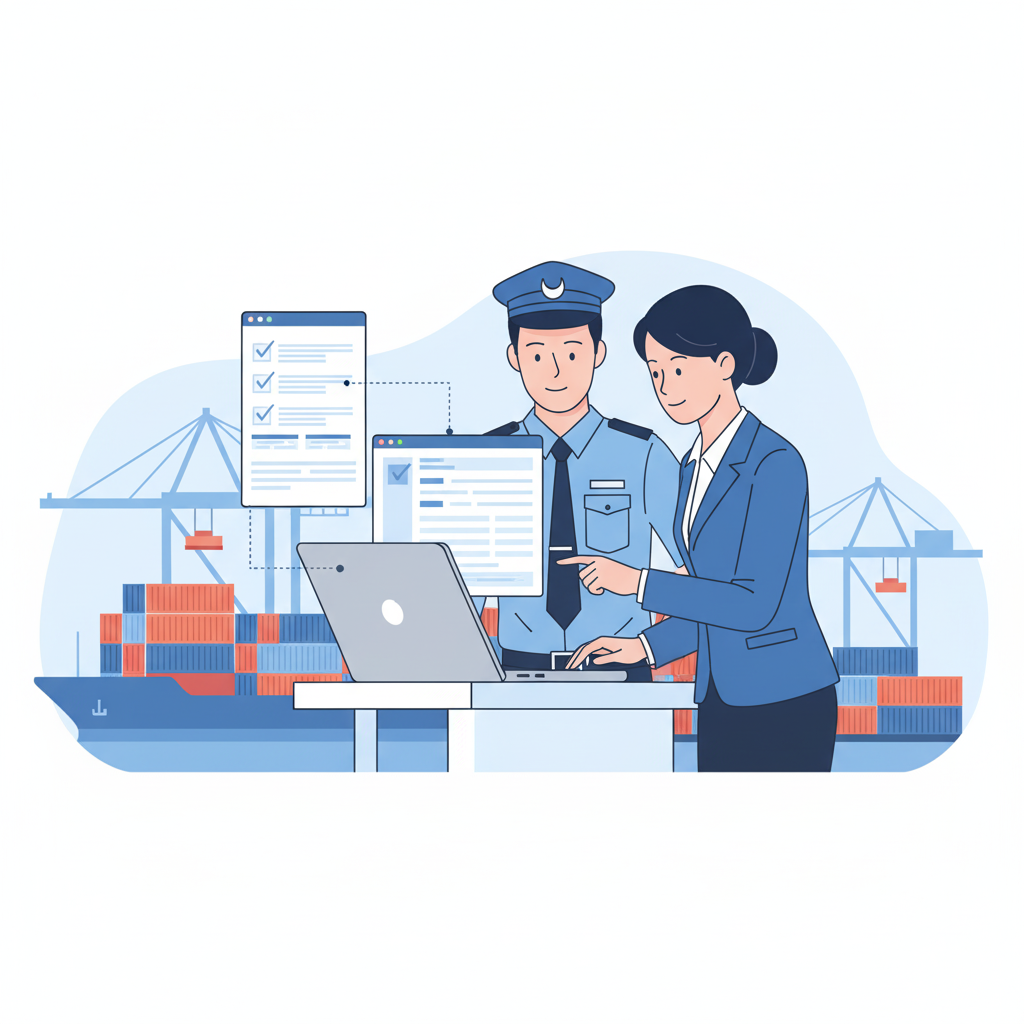
During the import and customs clearance process of food products, Many businesses often encounter unforeseen difficulties and problems. This comes from the unique characteristics of food items, strict legal regulations and strict inspection requirements in the customs clearance process. Understanding the reasons why food products easily encounter obstacles during customs clearance will help businesses be more proactive in preparing documents., comply with regulations and choose appropriate services to minimize risks.
Characteristics of food products
Food products are special products because of their sensitivity to food safety and public health. Therefore, The inspection and control process for this item is always more stringent than for other types of goods. The main requirements related to food items include::
- Food safety check: Food items need to ensure hygiene standards, Does not contain banned substances, does not harm consumers' health.
- Specialized profile: For customs clearance, Enterprises need to prepare documents related to import licenses, product announcement, standard conformity certificate.
- Product announcement: According to regulations, Food products are required to declare conformity, Have all relevant documents such as test sheets, standard conformity certificate.
This means, If there are any missing or errors in these documents, Goods will be delayed or denied customs clearance, gây thiệt hại lớn về thời gian và chi phí.
Percentage of goods delayed in customs clearance or returned for inspection
In fact, The rate of food goods encountering difficulties during customs clearance is quite high. The main causes include:
- Delay in processing documents: Because the enterprise did not prepare complete documents or the documents did not meet the requirements, leading to additional or rechecking.
- Long specialized examination: Food shipments often have to go through quality checks, quarantine, safety check, causing customs clearance time to lengthen.
- Untimely response from authorities: When records have errors or missing documents, Businesses have to wait for a response, waste time and storage costs.
- Legal risks: Due to not understanding the regulations or errors in declaration, Goods are easily returned or confiscated, causing major financial and reputational damage.
Because of these risks, the selection customs clearance services professional, Having experience in the food industry becomes extremely necessary to minimize these risks.
The importance of professional customs clearance services
In the context of increasingly strict regulations and more stringent testing requirements, service Professional customs clearance not only helps businesses save time but also minimize costs and legal risks. Outstanding benefits of this service include::
- Support checking policies and HS codes: Make sure the goods are declared with the correct code, in accordance with regulations, avoid fines or confiscation.
- Consulting and preparing complete documents: Help businesses complete disclosure documents, license, Labels comply with prescribed standards.
- Customs declaration and tracking representative: Ensure the customs clearance process goes smoothly, on schedule.
- Save on storage costs, save cont: Helps reduce time and costs incurred while waiting for goods to go through inspection steps.
That's why, service selection customs clearance Professionalism is the optimal strategy for businesses to ensure goods are cleared quickly, according to regulations, contributing to improving business efficiency and minimizing legal risks in food import activities.
In the context of increasing regulations on food safety, Accuracy in document preparation, Understanding regulations and having support from reputable service units will help businesses overcome all difficulties in the customs clearance process of food products.. This not only helps minimize risks but also optimize costs, time, contributing to promoting more effective and sustainable import activities.
Mistake 1: Not checking import policy and HS code before ordering
In the process of importing food products, Many businesses often make the serious mistake of not checking import policies and HS codes before placing an order. This action can cause unfortunate consequences, directly affects the customs clearance process, costs and storage time of goods.
Consequences of importing goods before determining the HS code
Failure to clearly identify HS codes (Harmonized System) before ordering leads to many consequences, which can be mentioned:
- Wrong declaration of HS code: leading to incorrect application of tax rates, improperly increase or decrease the tax payable.
- Goods are inspected more closely or returned: if the HS code does not match or the goods are on the prohibited list, Businesses may be fined or goods may be detained at the port.
- Increase storage costs, Luu Bai: Goods delayed in customs clearance or detained will incur storage fees, Parking fees and other incidental fees.
- Risk of violating the law: Importing goods that do not comply with the policies of state management agencies, resulting in fines or tax arrears, even prosecute criminal liability.
This not only causes financial damage but also greatly affects the reputation of the business in the market.
Solution direction: Look up HS codes and check product policies
To avoid these risks, Businesses need to take the following steps before placing an order:
- Look up the exact HS code: based on goods description, ingredients and characteristics of the product to determine the correct HS code.
- Determine whether the item belongs to the specialized inspection list: such as food safety inspection, certificate of conformity, import license, v.v.
- Check the import policy of the state management agency: See if the item is on the prohibited list, limited or need other proof documents.
- Plan to prepare necessary legal documents: product announcement, license, appropriate certification.
This helps businesses be proactive in the procedure process, Minimize risks and save time, costs when the goods arrive at the border gate.
Suggest: Thanks to the logistics unit for support in checking product policies
In the increasingly complex context of legal regulations on food import, Businesses should consider cooperating with service units customs clearance professional. These units have experience and updated knowledge about HS codes, import policy of each item, From there, give accurate advice, help businesses:
- Look up, Determine the correct HS code suitable for each type of goods.
- Check whether the item belongs to the specialized inspection list or not.
- Help prepare documents, Valid documents to avoid fines or detention.
- Optimize procedure time, Minimize arising risks.
This not only helps businesses avoid unfortunate errors but also improves efficiency in the import process. Special, the customs clearance services Packages often have specialized departments available to monitor and update the latest policies of state management agencies., Helps businesses feel more secure when importing goods.
Overall, Checking the import policy and HS code before ordering is a fundamental step and cannot be overlooked in the food import process.. This is a decisive factor in the success of the entire process, Helps businesses avoid legal troubles, Save costs and time, At the same time, ensuring goods circulate smoothly in the international market.
Mistake 2: Missing or incorrect product announcement records
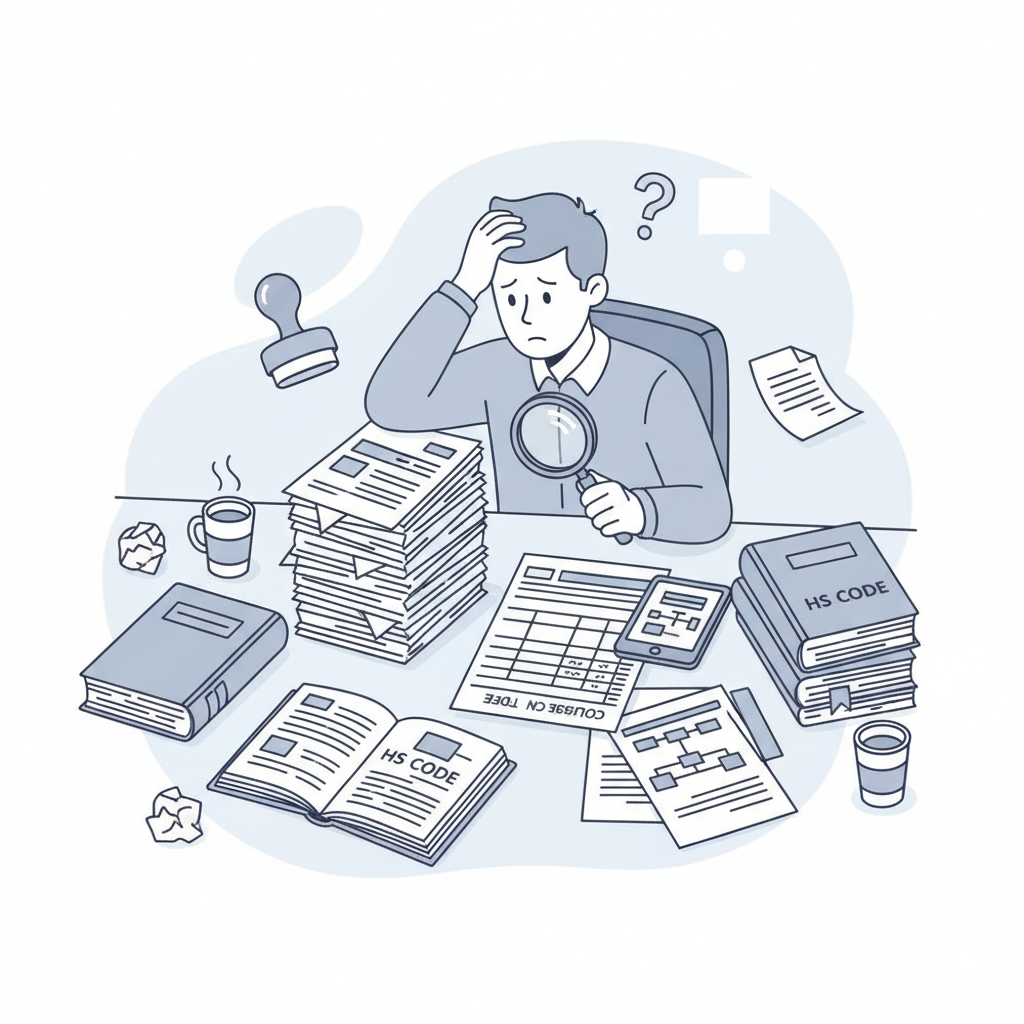
During customs clearance procedures for food products, Missing or incorrect product announcement records is one of the common mistakes and causes many problems for businesses. According to the provisions of Decree 15/2018/ND-CP, This doesn't just affect the inspection process, but can also lead to goods being detained or refused customs clearance, causing loss of time and costs.
Regulations on product announcement according to Decree 15/2018/ND-CP
Food product disclosure policy, Functional foods in Vietnam have been clearly regulated in Decree 15/2018/ND-CP. Accordingly, Businesses that import or produce food-type goods must carry out appropriate declaration procedures before the goods are allowed to circulate on the market.. This record is intended to clearly determine safety, Hygiene of the product, to ensure consumer rights and comply with legal regulations.
Types of documents that need to be prepared for publication include::
- Product announcement (CFS)
- Certificate of testing or quality control (Health Cert or Test Certificate)
- Import license (if required)
- Other related documents as required by authorities such as label samples, product ingredients, Instructions for use,…
Full and accurate preparation of these documents is a mandatory requirement so that businesses can proceed with customs clearance procedures smoothly..
Consequences of missing or incorrect records
Missing or incorrect product declaration records can cause many serious consequences, directly affects the import activities of enterprises. Specifically as follows:
- Goods are refused customs clearance or are detained at the port: When the inspection agency discovers that the documents are incomplete or do not comply with regulations, they will ask for additional or pre-check, leading to delays in the customs clearance process.
- Additional procedures must be performed, cause delay: Businesses will have to spend time, effort to re-prepare documents or supplement missing documents, Extend storage time, affects the supply chain.
- Costs incurred were higher than expected: Storage fees, save cont, inspection fee, Increased quarantine due to unforeseen extended storage time.
- Risk of being fined or having taxes collected: Failure to comply with regulations on public records can lead to administrative penalties or unwanted tax arrears.
Besides, This also affects the reputation of the business in the market, causing long-term legal and corporate image consequences.
Solution direction: Prepare complete documents before goods arrive
To avoid making this mistake, Enterprises need to be proactive in preparing product declaration documents right from the beginning of the import process. Steps to take include::
- Understand relevant legal regulations: Understand clearly the requirements for documents and publication procedures according to regulations of the authorities, especially Decree 15/2018/ND-CP.
- Contact and cooperate with professional units in the field: You can ask for consulting services or provide customs clearance services to ensure complete documents, Exactly.
- Prepare the necessary documents: As announced, test paper, import license, label, product ingredients, Instructions for use, and other related documents.
- Optimize the inspection and submission process: In there, Businesses should carefully check each part of their records to avoid errors, At the same time, send the documents before the expected time of goods arrival to have time to handle any arising problems.
- **Using the service** customs clearance professional: These units will support businesses in checking, complete profile, Submit your application properly, helps reduce risks and save time.
Proactive preparation of complete documents, Accuracy will help businesses not only avoid problems during customs clearance but also ensure goods are circulated quickly., Save costs and maintain reputation in the market.
This is not simply compliance with legal regulations but is also a factor that determines success or failure in food import activities.. Therefore, Businesses need to consider preparing product declaration documents as a mandatory and key step in the customs clearance process..
Mistake 3: The label does not comply with regulations or lacks a Vietnamese sub-label
During the process of providing food customs clearance services, One of the common mistakes that causes serious consequences is failure to comply with labeling regulations. Labels are a must-have element and must meet legal standards so that goods can legally circulate through border gates.. Missing or incorrect labeling not only affects the customs clearance process but can also easily lead to administrative penalties, Goods are retained or returned, causing great loss in time and costs for businesses when using customs clearance services.
Mandatory regulations on food labeling
According to the provisions of Decree 43/2017/ND-CP of the Government, Food products imported into Vietnam must have clear labels, complete and in accordance with standards. Specifically, The label must show mandatory contents such as::
- Product name, brand name and manufacturer or importer.
- Ingredients of the product, especially allergens, preservatives, additives.
- Production date, shelf life or shelf life.
- Information about clear origin.
- Instructions for use, preserve if necessary.
- Address information, phone number of the manufacturer or importer.
Besides, Additional labels in Vietnamese must be clearly pasted or printed, easy to read, fully display the prescribed content so that consumers can easily access and clearly understand the product when using customs clearance services..
Common errors in labels
During the inspection of goods at the port, Businesses often encounter errors such as::
- Do not affix Vietnamese labels or paste them in the wrong location, not clear.
- Translation of ingredients or misleading origin information, cause misunderstanding.
- No manufacturing date or expiration date, or not written in the correct format.
- Missing mandatory information such as ingredients, Instructions for use or storage.
- The label is peeling off, blurred or misprinted compared to the registered dossier.
These errors can lead to goods being refused customs clearance, required to supplement or modify the label, causing delays and unnecessary costs when using customs clearance services.
Solution direction: Prepare additional labels or stick them at the port
To avoid these risks, Businesses need to carefully prepare additional labels according to regulations before goods arrive at the port. Specific measures include::
- Pre-printed Vietnamese sub-label with full information, Guaranteed clarity, easy to read and standard.
- Paste additional labels directly on goods at the warehouse or at the port before carrying out specialized inspection procedures.
- Carefully check the contents printed on the label to avoid ingredient errors, production date, expiration date, source.
- In case there is no pre-printing capability, Businesses can hire professional labeling services to ensure progress and quality.
- For items with specific packaging, Please note that labels should be placed in easily visible locations, not obscured.
Besides, Cooperating with experienced customs clearance service units helps businesses ensure standard procedures, quickly and in accordance with the law. These units often have testing support services, Instructions and implementation of secondary labeling, Minimize the risk of goods being detained or fined when using customs clearance services.
Overall, Complying with labeling regulations not only helps goods circulate smoothly but also enhances the reputation and image of businesses in the market.. Investing in preparing labels according to regulations is a factor that cannot be overlooked in the process of providing professional food customs clearance services..
Mistake 4: Wrong declaration or missing information in the customs declaration
During the process of customs clearance of goods, especially food items, Accurate and complete declaration of information in the customs declaration plays an extremely important role. This mistake not only causes delays in the customs clearance process but can also lead to other serious consequences, affects the business operations of enterprises when using customs clearance services.
Consequences of incorrect declaration of HS code and lack of documents
One of the most common problems is incorrect declaration of HS codes (Harmonized code system) on the customs declaration. When the HS code is declared incorrectly, Goods may be misclassified, leading to the application of inappropriate tax rates or being handled according to the list of prohibited or restricted goods. This may entail financial penalties, administrative fine or request to adjust the declaration, causing the customs clearance process to be significantly delayed.
Besides, Missing or incomplete provision of accompanying documents such as invoice, packing list, bill, certificate of origin (C/O), Import licenses or other related documents also cause difficulties in the process of checking and verifying documents.. When records are incomplete or inaccurate, Customs authorities may request businesses to supplement documents, or even refuse customs clearance, causing a backlog of goods, warehousing costs arise, storage of containers or penalty fees due to delay.
Solution direction: Check your application and provide correct information
To minimize risks related to false declaration or missing information in customs declarations, Businesses need to take the following steps:
- Check your documents carefully before declaring: Before submitting the declaration, Enterprises should review all records, Related documents to ensure accuracy and completeness. The documents need to match the information declared on the declaration, Avoid errors or omissions.
- Use a reputable customs clearance service: Professional customs clearance service providers have staff who understand the law and processes, help check, Confirm accurate information before submitting the declaration. This minimizes the risk of false declarations, Wrong HS code or missing documents.
- Look up the exact HS code and update the policy: Businesses need to look up the correct HS code through official sources or rely on support services to ensure the declaration code is suitable for each specific item.. Simultaneously, Timely update new regulations on import policies, Check relevant licenses to ensure goods are legally allowed to be imported.
- Maintain clear and complete records: Each shipment needs to have a clear set of documents, complete for easy inspection, Compare when necessary. This habit helps businesses proactively handle problems that arise during the customs clearance process.
Carrying out accurate inspection and declaration steps not only helps shorten customs clearance time but also minimizes unnecessary fees incurred., Ensure goods reach customers on schedule and maintain business reputation in the market. Therefore, Enterprises need to pay special attention to this step during the customs clearance process, Especially when performing customs clearance services for food products - items that require high precision and caution.
See more: Customs clearance service
Mistake 5: Not tracking the progress of specialized inspections
During customs clearance procedures for imported food products, Monitoring specialized inspection progress plays an extremely important role to ensure goods are cleared on time, Avoid incurring unnecessary fees and minimize the risk of delays. However, Many businesses still make this serious mistake of not proactively monitoring the inspection process, leading to many unwanted consequences.
Types of inspection required for food
Imported foods often have to go through a number of mandatory inspection steps by authorities such as:: food safety inspection (Food safety), Quality check, Medical quarantine or food hygiene and safety inspection. Inspection time can last from a few days to a few weeks depending on the type of goods and the authorities' procedures when using customs clearance services..
Harmful effects of not following progress
Failure to proactively monitor specialized inspection progress can lead to many serious consequences, like:
- The application has been waiting for approval for a long time, causing delays in the customs clearance process.
- Goods are stored at ports or warehouses beyond the prescribed time limit, incur costs for storing containers, Luu Bai, Unnecessary storage fees.
- Risk of being re-examined or requesting additional documents, leading to increased time and costs.
- Risk of goods being returned or being fined if proper inspection procedures are not followed.
- Affects the reputation of the business, causing loss of trust from customers and partners.
That's why, The lack of strict supervision during specialized inspections will delay the entire customs clearance process, Adverse effects on business operations of enterprises when using customs clearance services.
Solution direction: Use full customs clearance and document tracking services
To avoid making this mistake, Businesses need to apply effective solutions such as:
- Use the full customs clearance service of professional logistics units, Experienced in the field of food import. These units will take care of the entire inspection process, Monitor progress and handle related procedures.
- Monitor inspection records continuously through the service unit's system, Ensure regular updates on inspection status, signed and approved by the authorities.
- Contact regularly with partners, inspection agency to clearly understand the process and quickly handle arising problems.
- Make a backup plan for possible situations such as delays, Supplement documents or request re-examination, Helps businesses proactively adjust schedules.
- Integrate automated management and monitoring tools to minimize the risk of forgetting or missing important steps during the testing process.
Through proactive monitoring and close coordination with customs clearance services, Businesses not only save time but also minimize costs incurred, Improve efficiency in food import activities when using customs clearance services.
So, Not tracking specialized inspection progress is a big mistake, can directly affect the customs clearance process and the benefits of businesses. Investing in reputable support services and close management will help businesses ensure the process runs smoothly, comply with regulations and quickly deliver goods to customers when using customs clearance services.
Solution: Full food customs clearance service at Cuong Quoc Logistics
In the process of importing and distributing food, Complying with legal regulations and ensuring the customs clearance process goes smoothly is a key factor to help businesses avoid time losses., cost and reputation. Understand this, Cuong Quoc Logistics has developed services Complete food customs clearance, nhằm hỗ trợ doanh nghiệp tối ưu hoá toàn bộ quy trình từ khâu chuẩn bị hồ sơ đến khi hàng hóa chính thức ra khỏi cảng. Below are outstanding solutions that our service brings when using customs clearance services.
Support checking HS codes and product policies
One of the main causes affecting customs clearance progress is incorrect declaration of HS codes or failure to correctly determine the import policy of food products.. With a professional team and extensive knowledge of customs regulations, **full customs clearance service at Cuong Quoc Logistics** starts with: – Look up, Check the appropriate and accurate HS code for each type of food.
Consulting on food safety declaration documents and secondary labeling
Food safety declaration documents are mandatory for goods to be legally cleared and consumed in the Vietnamese market.. Our services provided: – Full consultation on the steps to prepare documents for publication such as CFS, quarantine certificate, test results, Food safety proclamation. – Instructions for preparing and completing appropriate documents according to the provisions of Decree 15/2018/ND-CP.
Declaring representative & Customs tracking until goods leave the port
Not all businesses have enough resources or knowledge to carry out customs declaration properly. – Manage and resolve adjustment requests, Additional records if any, helps shorten customs clearance time, Minimize the risk of goods being detained or delayed when using customs clearance services.
Committed to saving time, Reduce container storage costs
We understand that time is gold in the logistics industry, especially with perishable food items. So, **full customs clearance service at Cuong Quoc Logistics** commitment: – Optimize workflow, Minimize waiting time, from checking the HS code until the goods leave the port. – Minimize storage costs, Save cont thanks to closely monitoring progress and quickly handling arising problems. – Helps businesses improve operational efficiency, Minimize the risk of time and financial damage due to delays in the customs clearance process.
Through these comprehensive solutions, Cuong Quoc Logistics is proud to provide services Complete food customs clearance professional, trust, Helps businesses feel secure to focus on production activities, do business without having to worry about legal procedures or risks arising during the use of customs clearance services.
Conclude
Customs clearance of food products is a process that requires businesses to understand the law, Experienced and strictly adheres to thorough procedures. Common mistakes include not checking import policies and HS codes before ordering, Missing or incorrect product announcement records, Labeling does not comply with regulations, Wrong declaration or missing information in customs declaration, and failure to monitor specialized inspection progress can cause serious consequences.
So, Choosing a professional food customs clearance service, The package is the optimal solution to help businesses minimize risks, Save time and cost. These services not only support HS code checking, product policies but also advise on disclosure documents, affix additional labels according to regulations, At the same time, the representative declares and monitors customs documents until the goods leave the port. Thanks to that, Businesses can feel more secure when doing procedures, ensure goods are cleared quickly, Correct procedures when using customs clearance services.
In an increasingly competitive market context, Understanding and avoiding mistakes in food customs clearance services is a decisive factor for success. If you are looking for the optimal solution for the food import process, Please contact Cuong Quoc Logistics immediately - a reputable unit, Professional in customs clearance services for imported food from China to Vietnam.
Cuong Quoc Freight Forwarding Company Limited
Office: 7th floor, Parami Building, 140 Bach Dang, Tan Son Hoa Ward, Ho Chi Minh City
Hotline: 0972 66 71 66
Email: info@cql.com.vn
Website: https://cql.com.vn/

See more at