The import of medical equipment into Vietnam is a complex process, requires strict compliance with current legal regulations. With an important role in the health care field, Medical devices need to meet strict quality standards, safe and legal. This article will provide detailed instructions on the necessary steps to import medical equipment, From preparing documents to customs clearance process, to help businesses understand regulations and implement them effectively.
Article Content
What is a Medical Device??
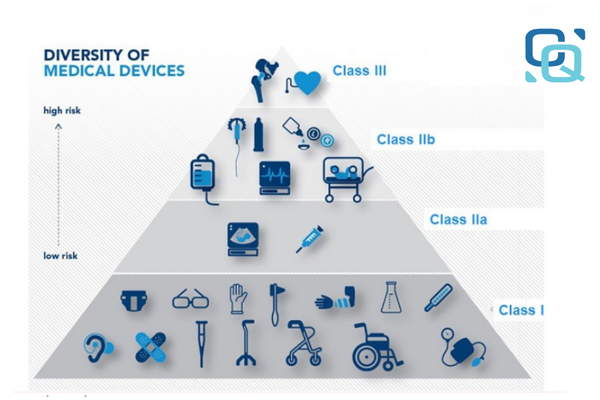
Medical equipment includes all types of machinery, tool, materials or products used in the medical field for diagnosis, treatment, monitor or prevent disease. According to the provisions of Decree 36/2016/ND-CP and related legal documents, Medical devices are classified based on risk level, includes four groups: A, B, C and D. In there:
-
Type A: The device has a low level of risk, like medical cotton swabs, medical tape.
-
Type B: Medium risk device, For example, a blood pressure monitor.
-
Type C: High-risk equipment, like an X-ray machine.
-
Type D: The device is very high risk, such as a hemodialysis machine or implantable device.
This classification directly affects the requirements for import licenses and quality inspection.
Legal Regulations on Import of Medical Equipment
In Vietnam, The import of medical equipment is under the management of many state agencies, Mainly the Ministry of Health, General Department of Customs and related agencies. The main legal documents regulating this activity include::
-
Decree 36/2016/ND-CP: Regulations on medical device management, including conditions for import and circulation.
-
Decree 169/2018/ND-CP: Modify, Supplementing a number of provisions of Decree 36/2016/ND-CP.
-
Circular 30/2015/TT-BYT: Instructions on importing medical equipment.
-
Circular 14/2018/TT-BYT: Additional regulations on classification and inspection of medical equipment.
According to these regulations, Importing medical equipment requires a circulation permit or import permit, except for some special exempt cases. Businesses need to clearly understand these requirements to avoid violating the law.

Steps to Import Medical Equipment
To import medical equipment into Vietnam, Businesses need to take the following steps:
1. Check the Type of Medical Device
Before import, Businesses need to determine which group the device belongs to (A, B, C there is D) based on the level of risk. This determines the type of license to apply for and the inspection requirements. For example:
-
Class A equipment, B usually only needs to register for circulation.
-
Class C equipment, D requires import licenses and more stringent quality control.
Businesses can refer to the medical device classification list issued by the Ministry of Health or contact a consulting unit to determine accurately..
2. Prepare Legal Documents
Medical device import documents include many important documents, depending on the device type. A basic set of documents usually includes::
-
Circulation license: For class A equipment, B, Enterprises need to register for circulation at the Ministry of Health. For type C, D, need to apply for an import license.
-
Quality certificate (Certificate of Quality): Issued by a competent authority in the exporting country, Prove equipment meets international standards (ISO 13485, CE, FDA…).
-
Power of attorney (Letter of Authorization): From the manufacturer or official distributor, Authorize import businesses in Vietnam.
-
Commercial contract (Commercial Contract): Clearly state information about the shipment, quantity, value and delivery terms.
-
Commercial invoice (Commercial Invoice): Detailed value of goods.
-
Packing slip (Packing List): Quantity information, weight and packaging of goods.
-
Certificate of origin (Certificate of Origin): Confirm device origin, help enjoy tax incentives (if any).
-
Technical documents: Detailed description of the device, Includes technical specifications, Instructions for use and maintenance.
These documents need to be notarized translated into Vietnamese if they are foreign languages.
3. Apply for an Import License
For class C and D medical devices, Enterprises must submit an application for an import license at the Ministry of Health. This process includes::
-
Submit application: Applications are submitted via the online public service portal of the Ministry of Health or directly at the Department of Medical Equipment and Constructions..
-
Appraisal: The Ministry of Health will check the records, Evaluate the validity and quality of the device.
-
Licensing: If the application meets the requirements, Import license will be issued within 15-30 working days.
Note: Some special medical equipment (as equipment used in research or exhibitions) may be exempt from licensing, but need confirmation from the Ministry of Health.
4. Carry out Customs Clearance
After getting a license, Enterprises import and clear goods at the border gate. This process includes::
-
Customs declaration: Submit the customs declaration with documents such as invoices, contract, import license.
-
Pay taxes: Medical equipment is often subject to import tax and value added tax (VAT). Some special equipment may be exempt from tax according to regulations.
-
Quality check: Customs may require physical inspection of goods to ensure compliance with submitted documents.
Businesses should work with logistics units or customs agents to ensure the customs clearance process goes smoothly.
5. Inspection and Circulation
After customs clearance, Medical equipment needs to be quality tested before being put into circulation. For class C devices, D, Inspection must be carried out by organizations designated by the Ministry of Health. After meeting the requirements, The device will be issued a circulation number for legal use in Vietnam.
6. Record Keeping and Post-Import Tracking
Enterprises need to store all records related to the shipment for at least 5 years to serve inspection purposes., inspect. Besides, It is necessary to periodically monitor and report on the status of medical equipment use as required by management agencies.
Notes When Importing Medical Equipment
-
Choose a reputable partner: Choose a reputable supplier, Ensure full provision of valid documents and standard equipment.
-
Update new regulations: Regulations on importing medical devices are subject to change, Therefore, businesses need to regularly update information from the Ministry of Health or official sources.
-
Cooperate with professional logistics units: An experienced logistics unit will help handle customs procedures and shipping quickly, cost savings.
-
Inspect the shipment carefully: Before import, You need to carefully check the shipment information, Ensure there are no errors in quantity, category or documents.
Conclude
Importing medical equipment into Vietnam is a process that requires careful preparation and strict compliance with legal regulations.. From the classification of equipment, Prepare records, Apply for a permit for customs clearance and inspection, Each step plays an important role in ensuring the quality and legality of the device. Businesses need to clearly understand the regulations, Coordinate with authorities and reputable partners to implement this process effectively.
With careful preparation, Importing medical equipment not only meets market demand but also contributes to improving the quality of health care in Vietnam..
Cuong Quoc Freight Forwarding Company Limited
Office: 7th floor, Parami Building, 140 Bach Dang, Tan Son Hoa Ward, Ho Chi Minh City
Hotline: 0972 66 71 66
Email: info@cql.com.vn
Website: https://cql.com.vn/

See more at